What Size of Kidney Stone Requires Surgery?
Short answer
No single size means every kidney stone needs surgery. As a general guide, stones under about 5 mm often pass on their own, stones of 5 to 10 mm pass less reliably, and stones above 10 mm are less likely to pass. Kidney stones of around 20 mm or more are usually treated with a procedure. Location, pain, blockage, infection and kidney function can matter as much as size, and a stone of any size that blocks urine flow with fever is an emergency.
Being told you have a “6 mm” or “10 mm” stone can leave you with more questions than answers. Is that big? Will it pass? Do you need an operation? This guide explains what the numbers mean, what the research shows about stones passing by themselves, and how doctors decide when treatment is the safer choice.
Understanding Kidney Stone Size in Millimetres
Doctors measure a kidney stone’s longest diameter in millimetres (mm) on a CT scan or ultrasound. Ten millimetres equal one centimetre. As rough comparisons, 3 mm is about the size of a sesame seed, 5 mm a lentil, 10 mm a fingernail and 20 mm a large grape.
Two points make these numbers easier to interpret:
Ureter versus kidney: Most of the research on stones “passing naturally” studies stones that have already moved into the ureter, the narrow tube between the kidney and bladder. A stone sitting inside the kidney is a different situation, and many such stones cause no symptoms for years. Guidelines use different size cut-offs for the two.
Measurements vary: Ultrasound and CT can differ by a few millimetres, and some stones are irregular or branched. For several stones, doctors consider the total stone burden.
For more on stone chemistry, see our guide to types of kidney stones.
Kidney Stone Size Chart: 3 mm, 5 mm, 6 mm, 10 mm and Larger Stones
The table below summarises how size relates to the chance of passing and to the options doctors commonly discuss. It is a guide to the typical picture, not a prediction for your stone.
| Stone size | Chance of passing on its own* | What doctors commonly consider | Points to remember |
| Up to 4 mm (e.g. 3 mm) | High: roughly 75% to nearly all in studies of ureteric stones | Observation with fluids and pain relief, plus a follow-up check that the stone has passed | Seek care promptly if there is fever, repeated vomiting or pain that will not settle |
| 5 mm | About 6 in 10 in studies | Observation is common if pain is controlled and there is no infection; a review date is set | Stones lower in the ureter, nearer the bladder, pass more readily |
| 6 mm | Wide range: about one-third to 60%, depending on the study and stone position | Close monitoring, or a procedure if the stone is not moving, pain persists or blockage develops | The grey zone, where individual factors decide |
| 7–9 mm | About half or fewer (around 48% for 7–9 mm in one CT-based study) | A procedure is discussed more often, especially for stones high in the ureter or not progressing | Kidney stones of this size that cause no problems may be monitored |
| 10 mm (1 cm) | Low: roughly 1 in 4 or fewer | Ureter: ureteroscopy or shock wave lithotripsy is usually recommended above 10 mm. Kidney: shock wave lithotripsy, ureteroscopy or PCNL, depending on position and anatomy | 10 mm is a guideline cut-off, not an automatic “surgery” trigger |
| 11–20 mm | Very low for ureteric stones | Kidney stones: shock wave lithotripsy or endoscopic surgery (ureteroscopy or PCNL), chosen by location and stone features | Stones in the lower part of the kidney respond differently to shock waves |
| Over 20 mm (2 cm) | Very unlikely | PCNL is generally recommended first; shock wave lithotripsy is not advised as first-line for a large total stone burden | Staghorn stones and multiple stones need a tailored plan |
*Figures come from studies of stones in the ureter and are averages across groups of patients. Sources: AUA/Endourological Society guideline (2016); published passage-rate studies listed under Sources below.
Can a Small Kidney Stone Pass Naturally?
Yes, and most small ones do. In a CT-based study that followed ureteric stones for up to 20 weeks, about 98% of 3 mm stones had passed, compared with roughly 81% at 4 mm, 65% at 5 mm and 33% at 6 mm. An older pooled analysis found about 68% of stones under 5 mm and 47% of stones between 5 and 10 mm passed without a procedure.
Position matters too. Stones that reach the lower end of the ureter, close to the bladder, are more likely to pass than stones high up near the kidney. Passage can take days to several weeks, and in some series up to about 40 days.
While waiting, doctors typically advise drinking enough fluid to keep urine pale and using appropriate pain relief. Please do not start prescription medicines on your own. Medicines such as tamsulosin have been widely used to help stones pass, but a large UK trial found no benefit over placebo, so whether to use them is an individual decision with your urologist.
Many internet remedies promise to “melt” or “flush out” stones. Good evidence for them is lacking. The main exception is uric acid stones, which can sometimes be dissolved with medicine that makes urine less acidic, which is one reason knowing the stone type matters.
When Does a Kidney Stone Need Medical Treatment?
Treatment, rather than waiting, is usually recommended when:
The stone is blocking urine and infection is present. This needs urgent drainage regardless of size.
Pain cannot be controlled with the pain relief your doctor has advised.
The stone is not moving within the review period your urologist sets, or follow-up scans show it is stuck.
Size makes passing unlikely, for example a ureteric stone above 10 mm or a large kidney stone.
A kidney stone is growing, is linked to repeated infections, or is causing blockage.
Kidney function is at risk, such as with a single working kidney, kidney disease or blockage on both sides.
Practical circumstances make an unplanned stone episode risky, such as certain jobs or frequent travel.
Not every large stone needs immediate surgery, and some small stones need treatment. That is why the next section matters.
Which Factors Affect Kidney Stone Treatment Decisions?
Where the stone is A stone in the lower ureter has a shorter distance to travel than one in the upper ureter. Stones in the lower part of the kidney can be harder to clear with shock waves, so doctors may prefer a different approach.
Symptoms and blockage Pain that settles with simple measures is very different from pain that keeps returning, or a scan showing the kidney swollen with trapped urine. Blockage is the main reason stones harm kidneys.
Infection Fever, chills or a urine infection alongside a blocked kidney changes everything. An infected, blocked kidney can worsen quickly and needs prompt treatment.
Kidney function and general health Blood tests such as creatinine show how well the kidneys are working. Diabetes, existing kidney disease, a single kidney, pregnancy and blood-thinning medicines all influence what is safe.
Stone type and hardness Some stones, such as cystine or dense calcium stones, break up less easily with shock waves. CT scans give clues about density, which helps your urologist choose a method.
Your preferences Where several reasonable options exist, your priorities (fewer procedures, quicker return to work, avoiding anaesthesia where possible) are part of the decision.
How Do Doctors Diagnose Kidney Stones?
Diagnosis usually begins with your symptoms, a urine test and blood tests to check kidney function and look for infection. Imaging then confirms the stone’s size and position:
Non-contrast CT (CT KUB) is the most accurate scan for adults and the usual test when stones are suspected.
Ultrasound uses no radiation and is often used for children, pregnant women and follow-up, though it can miss small or ureteric stones.
X-ray (KUB) shows some stones but misses others, so it is used mainly for follow-up of known stones.
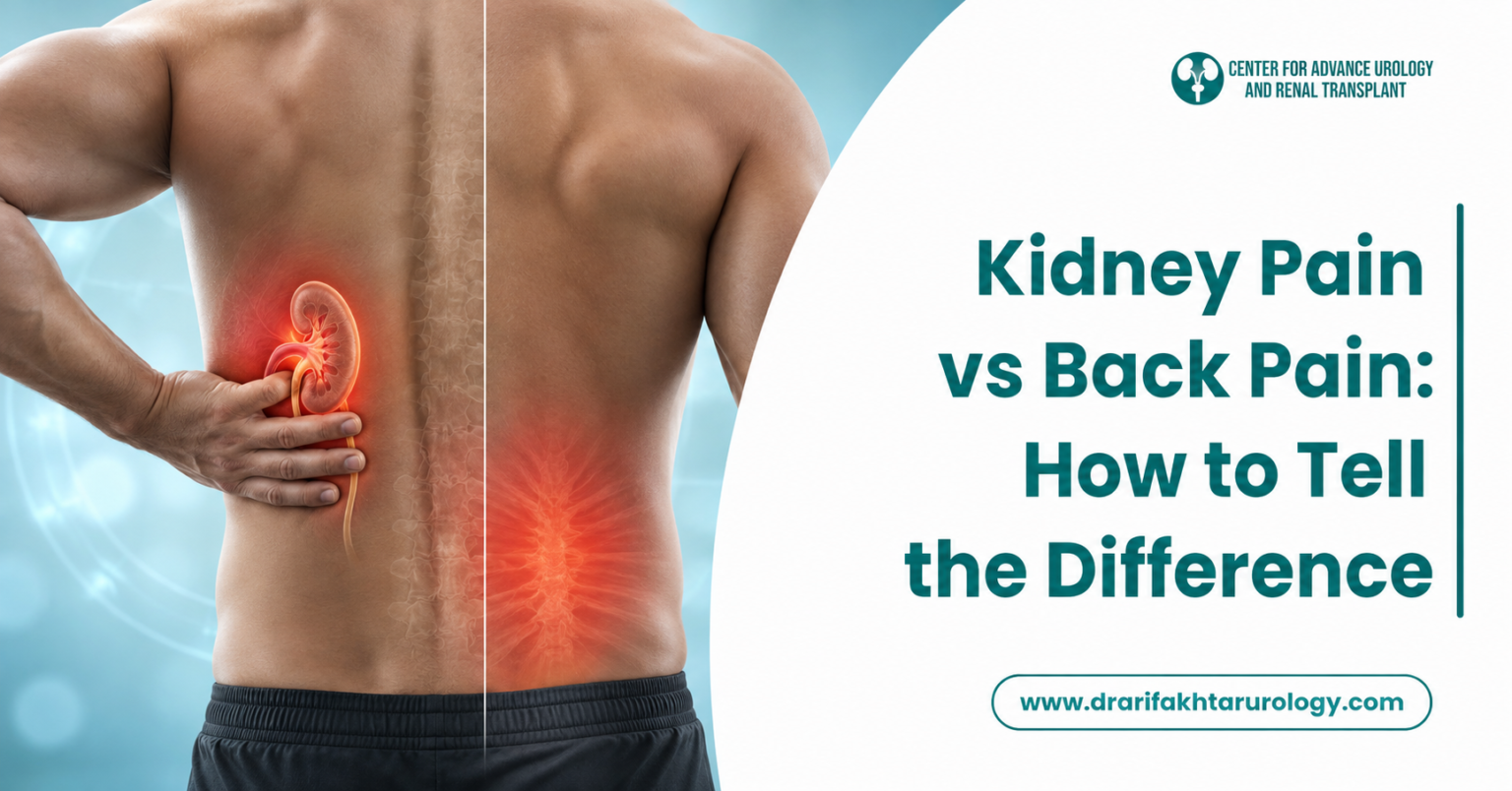
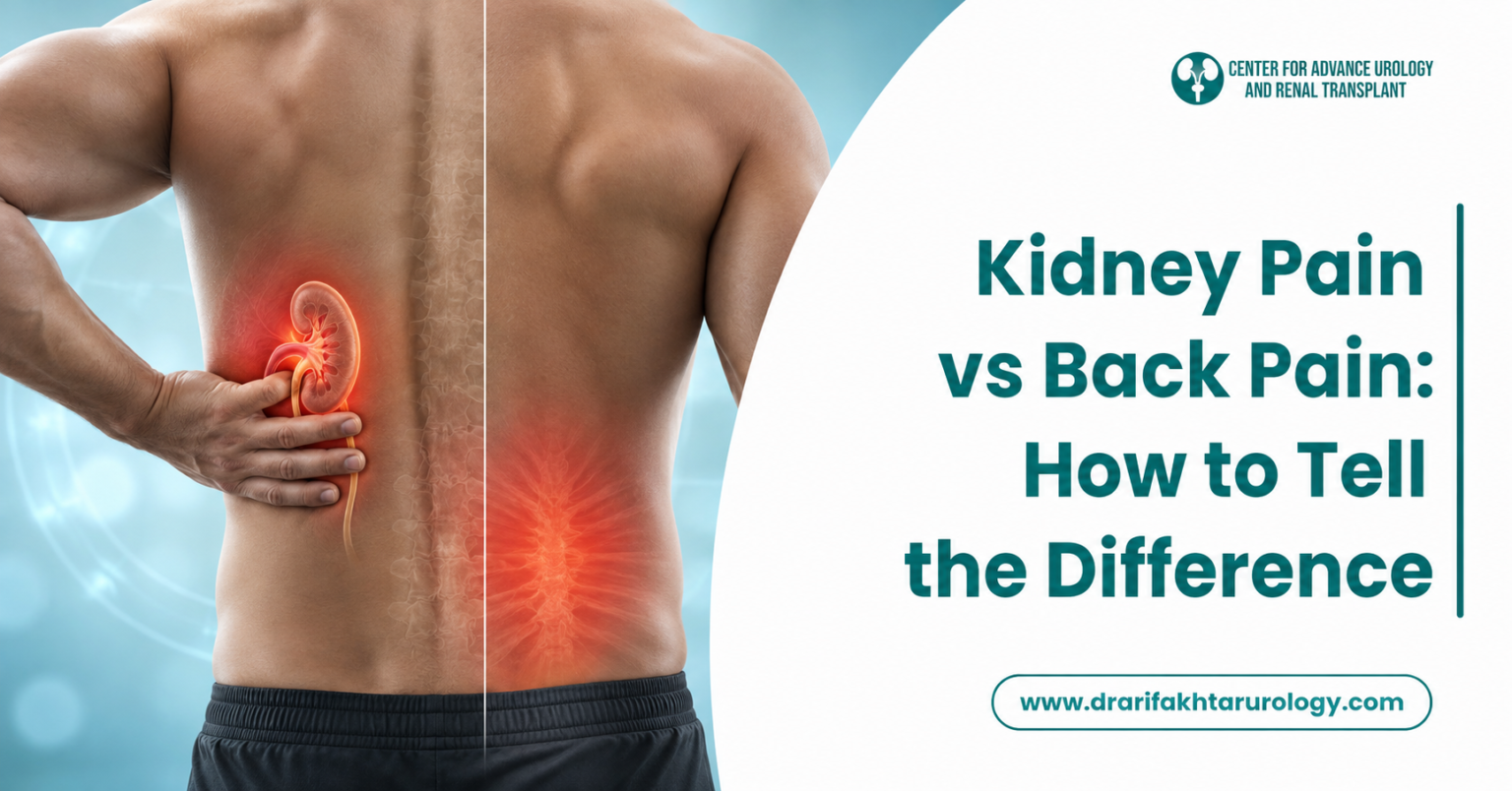
We explain how ultrasound and CT scans compare for kidney stones in a separate article. If you already have a scan, bring the report and the images to your appointment. Typical stone symptoms include severe pain in the side or back that spreads to the groin, blood in the urine, nausea and pain when passing urine; see telling kidney pain from back pain if you are unsure where your pain is coming from.
Kidney Stone Treatment Options: Observation, Medication and Procedures
The right option depends on the factors above. For a closer look at the clinic’s approach, see kidney stone treatment options at Dr. Akhtar’s clinic, or the comparison of modern stone procedures.
Observation and supportive care For small stones that are not blocking the kidney, many urologists recommend fluids, pain relief and a follow-up scan on a set date. This is a planned approach, not simply “waiting and hoping”.
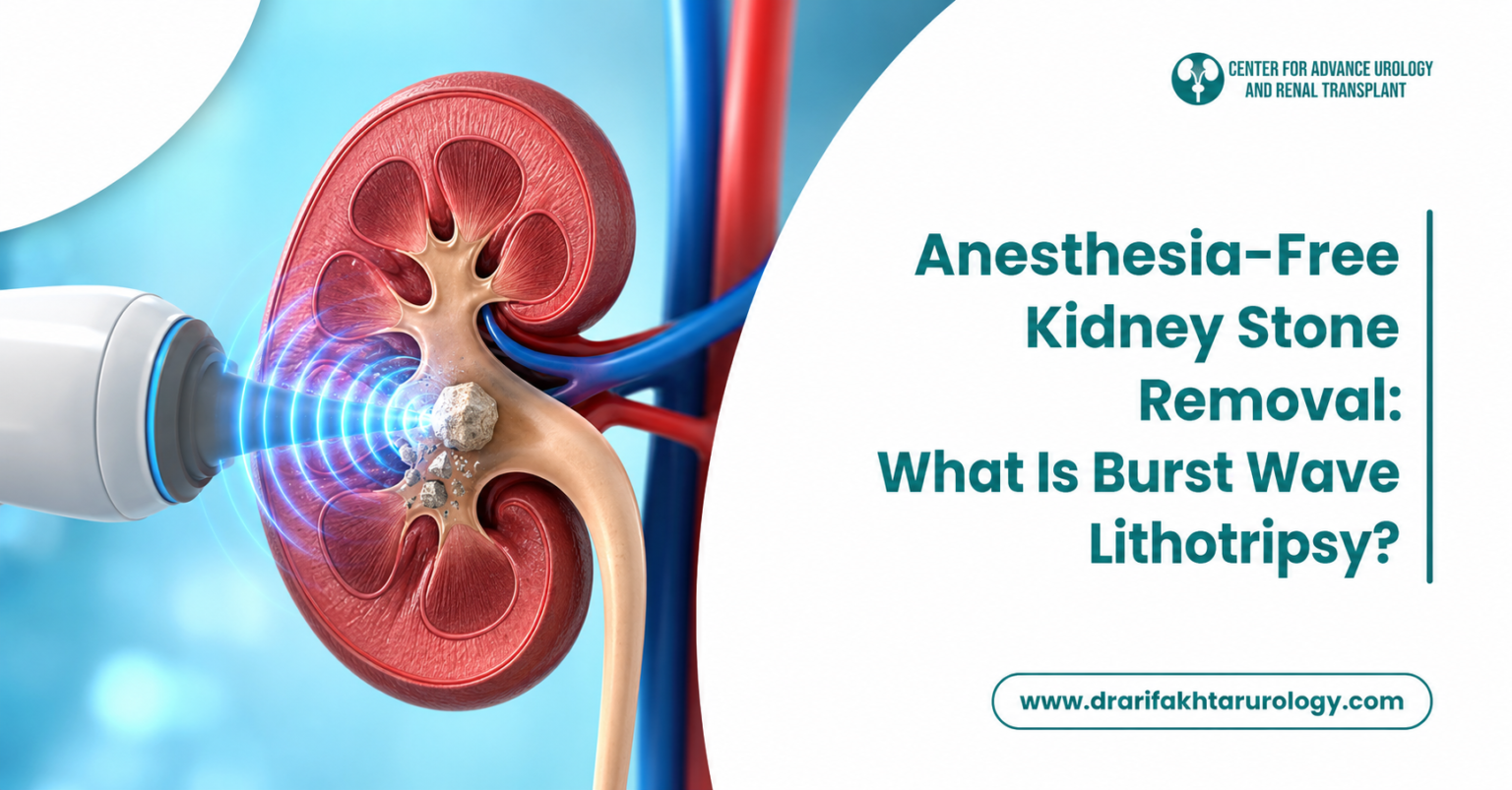
Shock wave lithotripsy (SWL) SWL uses focused shock waves from outside the body to break a stone into fragments that pass in the urine. It involves no incision and suits some smaller stones in favourable positions, though more than one session may be needed.
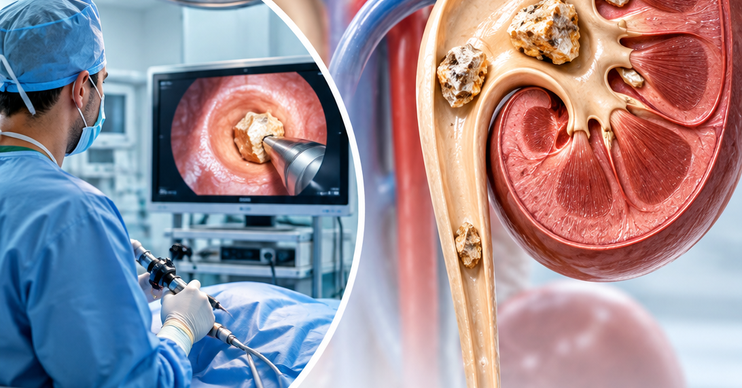
Ureteroscopy and laser lithotripsy A thin scope is passed through the urinary passage to the stone, which is broken up with a laser and removed or left to pass. When the stone is inside the kidney this is called retrograde intrarenal surgery (RIRS). A temporary stent is sometimes placed afterwards to help the kidney drain.
PCNL and mini-PCNL For large stones, usually around 20 mm or more, percutaneous nephrolithotomy (PCNL) removes the stone through a small keyhole opening in the back. Guidelines generally recommend it first for large total stone burden. Smaller instruments (mini-PCNL) are used in selected patients to reduce tissue disruption.
Emergency drainage If a blocked kidney is infected, doctors may first drain it with a stent or a thin tube through the back, and treat the stone once the infection is controlled.
No procedure guarantees every fragment is cleared. Follow-up scans matter; see what happens if fragments remain after surgery for what can happen next.
When Should You Seek Urgent Medical Attention?
Go to an emergency department straight away if you have a suspected kidney stone and:
a temperature of 38°C (100.4°F) or higher, or chills and shivering
severe pain that is not eased by the pain relief you have been given
you cannot pass urine, or are passing very little
repeated vomiting so that you cannot keep fluids down
you have only one working kidney, a kidney transplant or known kidney disease
you are pregnant
In India you can call 112 for emergency services. Do not wait for a routine appointment.
Frequently Asked Questions About Kidney Stone Size
Can a 5 mm kidney stone pass naturally?
Often, yes. In studies of stones in the ureter, roughly 6 in 10 stones of about 5 mm passed without a procedure, and the chance is better when the stone is already low in the ureter near the bladder. Passage can take several weeks. If pain is hard to control, fever develops, or the stone has not moved by the time your urologist planned to review it, treatment is usually discussed.
Is a 6 mm kidney stone dangerous?
A 6 mm stone is not automatically dangerous, but it sits in a grey zone. Depending on the study and the stone’s position, somewhere between about one-third and 60% pass on their own. The real risks are blockage and infection rather than the number itself. A 6 mm stone that blocks urine flow and causes fever needs urgent care, while one that is moving and causing manageable pain is often monitored with scheduled follow-up.
Does a 10 mm kidney stone always require surgery?
No. Size is one factor among several. For uncomplicated stones in the ureter, guidelines say observation can be offered for stones up to 10 mm, but stones larger than 10 mm are less likely to pass and a procedure is more often recommended. A 10 mm stone sitting in the kidney that causes no symptoms or blockage may sometimes be monitored with periodic imaging. Your urologist weighs location, symptoms, infection risk and kidney function.
Can a kidney stone damage kidney function?
Yes, although a stone that passes quickly rarely does. A stone that blocks the ureter makes urine back up towards the kidney, and if the blockage lasts for weeks or comes with infection, it can injure the kidney. The risk is higher if you have only one working kidney, existing kidney disease or repeated urinary infections. This is why doctors do not advise waiting indefinitely, and why follow-up scans and blood tests matter.
Which scan can identify kidney stone size?
A non-contrast CT scan of the kidneys, ureters and bladder (CT KUB) is the most accurate way to measure a stone’s size and position, and it is the usual test for adults with suspected stones. Ultrasound uses no radiation and is often chosen for children, pregnant women and follow-up, but it can miss small or ureteric stones. Sizes measured on two different scans can differ by a few millimetres.
Does a kidney stone that causes no pain need treatment?
Not always. Many stones inside the kidney are found by chance and cause no symptoms. Treatment is usually advised if the stone is growing, blocking urine flow, linked to infections or causing pain, and sometimes for practical reasons such as a job that involves frequent travel. Otherwise your doctor may suggest periodic imaging along with measures to prevent new stones.
How long can I wait for a stone to pass?
If you are otherwise well, your pain is controlled and there is no fever or blockage, many stones that pass do so within a few weeks, and some studies report passage taking up to about 40 days. Waiting is only safe with a plan. Your urologist will set review dates and scans and will advise treatment if the stone is not progressing. Waiting without follow-up is not recommended.
Conclusion
Kidney stone size is a useful starting point, but not the whole story. Stones under 5 mm often pass, stones above 10 mm are less likely to, and stones of 6 to 9 mm are where location, symptoms and infection risk matter most. What counts is whether your stone is blocking urine, causing infection, growing, or not moving, and a urologist can weigh these using your scan and tests.
If you have a scan report showing a stone and want to understand your options, you can book a consultation with Dr. Akhtar or ask for a second opinion on a plan you have already been given.