
Dr. Arif Akhtar
Senior Urologist • Online
Hello! 👋 Welcome to Dr. Arif Akhtar. He is a Gurugram-based urologist specializing in robotic urology, uro-oncology, and kidney transplantation.
Just now
A kidney transplant is often life-changing for patients with advanced kidney disease — offering freedom from dialysis and a return to a more normal daily life. Dr. Arif Akhtar is a urologist in Gurugram involved in renal transplantation, working alongside a nephrology team to evaluate patients and perform transplant surgery for suitable candidates.
This page explains when a transplant is considered, how the evaluation process works, what the surgery involves, and what recovery and follow-up look like.
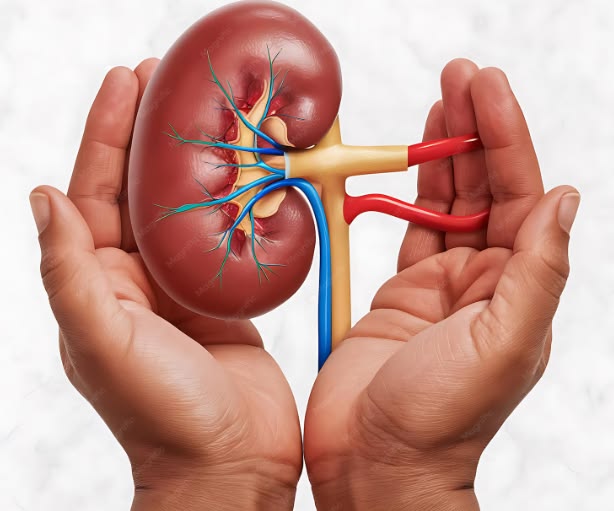
A kidney transplant is generally considered for patients with end-stage renal disease (ESRD) — also called chronic kidney disease stage 5 — where the kidneys have lost most of their function and can no longer adequately filter waste from the blood. For many suitable patients, a transplant offers better long-term quality of life than remaining on dialysis indefinitely, though not every patient is a candidate, and eligibility is assessed individually.
Schedule a Clinical EvaluationKidney transplantation may involve a living donor or a deceased donor. The choice depends on donor availability, medical compatibility, eligibility and the applicable organ allocation process.
Living Donor Transplant: Uses a kidney from a healthy, willing and medically compatible donor, often a family member. It can generally be planned in advance rather than waiting for organ availability.
Deceased Donor Transplant: Uses a kidney from someone who has recently died and whose family, or the individual in advance, has consented to organ donation. This route typically involves a waiting period based on national allocation criteria.
Kidney transplantation requires detailed evaluation of both the recipient and, where applicable, a living donor. The transplant team assesses overall health, surgical fitness, compatibility and other factors before determining whether transplantation is appropriate.
Before a transplant, the recipient undergoes a thorough medical evaluation including blood tests, imaging, cardiac assessment and general fitness assessment. These evaluations help determine whether the patient can safely undergo major surgery and manage long-term immunosuppressive therapy afterward.
A potential living donor is evaluated independently to confirm that they are healthy enough to donate and that their kidney is compatible with the recipient. Testing may include blood group matching, tissue typing and cross-match testing.
For some recipient-donor pairs who are not a standard match, such as ABO-incompatible pairs where blood groups do not naturally match, specialised pre-transplant protocols can, in appropriate cases, still make transplantation possible. Whether this approach applies to a specific patient is assessed individually with the transplant team.
For a living donor, the kidney is typically removed using a laparoscopic, minimally invasive technique. This approach is designed to support safe donor recovery while using smaller incisions than traditional open donor surgery.
In the recipient, the new kidney is placed in the lower abdomen, while the patient's own kidneys are usually left in place. The blood vessels of the transplanted kidney are connected to the recipient's blood vessels, and the ureter is connected to the bladder. The procedure is performed under general anaesthesia, followed by close monitoring in a transplant care unit to assess the function of the new kidney and the patient's recovery.

Dr. Arif Akhtar is a urologist in Gurugram whose practice includes renal transplantation, alongside uro-oncology and robotic urology. As the transplant surgeon, his role focuses on donor and recipient surgery, working in coordination with a nephrology team who manage the medical evaluation and long-term kidney function monitoring before and after transplant.
Exact current qualifications, hospital affiliation, transplant-specific training and years of practice should be published exactly as verified by the doctor and kept consistent with the About page.
The pre-transplant period includes recipient and donor evaluation, compatibility testing and detailed counselling for both parties about the procedure, risks and what to expect. This stage can take time and is not rushed.
Both donor and recipient require a hospital stay after surgery, with the recipient monitored closely for early signs of graft function and rejection. Exact stay duration varies by patient and hospital protocol.
After transplant, recipients take immunosuppressive medication long-term to prevent the body from rejecting the new kidney, along with regular follow-up visits and blood tests to monitor kidney function and catch any problems early. This long-term care is typically managed jointly with the nephrology team.
Get clear answers to common questions about kidney transplantation, donor eligibility, recovery, long-term medication and transplant costs in Gurugram.
For many eligible patients, a successful transplant offers a better quality of life and fewer dietary and fluid restrictions than long-term dialysis. It isn't the right option for everyone, and suitability depends on overall health, which is assessed individually.
Not automatically. A potential donor must be in good health and pass blood group, tissue-type and medical compatibility testing before being approved to donate.
How long a transplanted kidney functions varies by individual, donor type and how well the patient manages follow-up care and medication. It is not the same for every patient and is discussed individually rather than promised as a fixed number.
Yes. Immunosuppressive medication is generally required long-term to prevent the body from rejecting the transplanted kidney, alongside regular monitoring.
Cost depends on donor type, hospital stay, pre-transplant workup and the treating hospital. Speak with the clinic directly for a personalised estimate after evaluation. A specific figure or range should only be published after confirmation from the doctor or hospital.