
Dr. Arif Akhtar
Senior Urologist
Hello! 👋 Welcome to Dr. Arif Akhtar. He is a Gurugram-based urologist specializing in robotic urology, uro-oncology, and kidney transplantation.
Just now
Bladder cancer covers more ground than almost any other urologic cancer — for some patients, treatment means a single outpatient-style scope procedure and years of monitoring; for others, it means major reconstructive surgery. Dr. Arif Akhtar treats bladder cancer in Gurugram across this full spectrum, and this page is written to help you understand where your specific situation is likely to sit before your first consultation.
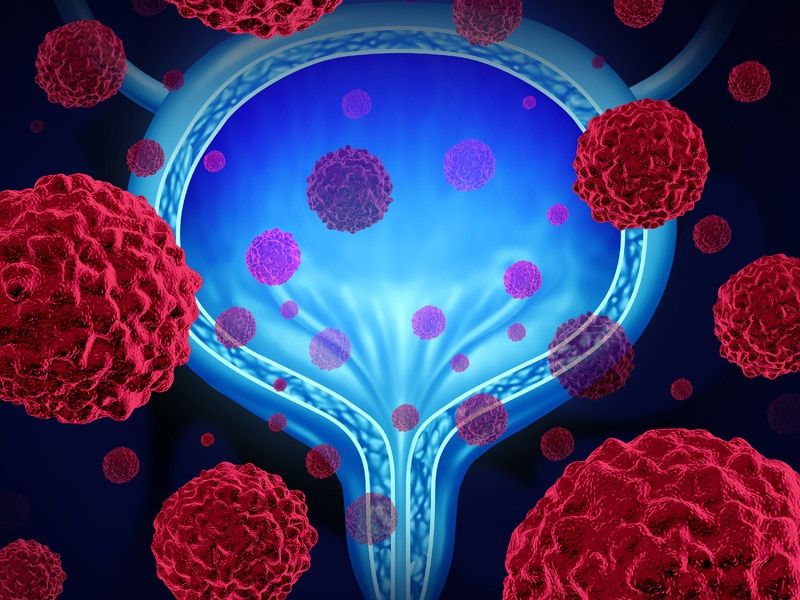
Bladder cancer begins when cells lining the bladder grow abnormally. It is most often first noticed as blood in the urine — sometimes visible, sometimes only detected on a urine test. Blood in the urine should always be evaluated rather than assumed to be due to a urinary infection or, in men, an enlarged prostate. Other possible symptoms include increased urinary frequency, urgency, or discomfort during urination without an infection to explain it.
Schedule a Clinical EvaluationSeveral factors can increase the risk of developing bladder cancer. Important risk factors include:
Smoking — the single largest risk factor, responsible for a substantial proportion of cases
Occupational exposure to certain industrial chemicals
Age — risk rises significantly after 55
Chronic bladder irritation or infection
Prior pelvic radiation therapy
Understanding Diagnosis, Staging and Treatment Pathways
Accurate diagnosis and staging are essential in bladder cancer because treatment depends largely on whether the cancer has remained within the bladder lining or has grown into the bladder muscle. Cystoscopy, urine tests, imaging and TURBT help establish the diagnosis, stage and grade of the tumour and guide the next steps in treatment.
Cystoscopy examines the inside of the bladder using a thin scope passed through the urethra. It is usually the first and most direct way to identify a bladder tumour, alongside urine tests and imaging.
If a tumour is identified, transurethral resection of bladder tumour (TURBT) is usually performed. It removes the visible tumour and provides tissue for determining the cancer's stage and grade.
When cancer remains confined to the bladder's inner lining without invading the muscle layer, it is classified as non-muscle-invasive bladder cancer and is generally managed with bladder-preserving treatment and close surveillance.
Muscle-invasive disease means the cancer has grown into or through the muscle wall of the bladder. This requires a fundamentally different and generally more extensive treatment approach.
Accurate staging at TURBT helps determine whether bladder-preserving treatment or more extensive treatment is appropriate and plays an important role in finalising an individual treatment plan.
Muscle-invasive bladder cancer generally requires more extensive treatment, often including radical cystectomy, because the risk of disease spreading beyond the bladder increases once the muscle layer is involved.
Transurethral resection of bladder tumour (TURBT) removes the visible tumour and a sample of the underlying muscle layer using instruments passed through the urethra, without an external incision. The removed tissue is examined to confirm the cancer's stage and grade and guide further treatment. In some patients, particularly when the tumour is high-risk or incompletely resected, a second TURBT within a few weeks may be recommended.
Depending on the tumour's grade and risk of recurrence, a chemotherapy drug or BCG may be instilled directly into the bladder after TURBT. Treatment may be given as a single dose shortly after surgery or as a longer course, with the aim of reducing the chance of the cancer returning.
Non-muscle-invasive bladder cancer can recur, so regular follow-up cystoscopy and urine testing may continue for years after initial treatment. Ongoing surveillance is an important part of managing this stage of bladder cancer and helps detect any recurrence at an early stage.
Treatment for muscle-invasive bladder cancer generally involves more extensive surgery because the cancer has grown into the muscle layer of the bladder. Radical cystectomy, including removal of the bladder and nearby lymph nodes, is the standard established surgical approach, followed by reconstruction to provide a new way to store and pass urine.
Radical cystectomy removes the entire bladder along with nearby lymph nodes and, depending on the patient's anatomy and disease extent, nearby organs. Because the bladder is removed, a new way to store and pass urine, known as urinary diversion, must be created during the same surgery.
Where clinically suitable, radical cystectomy can be performed using a robotic-assisted, minimally invasive approach rather than open surgery. This approach may offer benefits such as less blood loss and a shorter hospital stay while allowing the surgeon to perform the required cancer removal. Suitability is assessed individually based on the patient's condition and disease.
An ileal conduit uses a short segment of the intestine to create a passage for urine from the kidneys to an opening on the abdomen. Urine drains continuously into an external collection bag attached to the abdomen. It is one of the most established urinary diversion options and is technically less complex than some reconstructive alternatives.
A neobladder is constructed from a segment of intestine and connected to the urethra, allowing suitable patients to pass urine through the natural urinary passage. Whether this option is appropriate depends on factors including anatomy, kidney function, disease characteristics and overall health.
A continent cutaneous pouch creates an internal urine reservoir from a segment of intestine. The reservoir is periodically emptied using a catheter through a small opening on the abdomen, without requiring an external collection bag.
The choice between an ileal conduit, neobladder and continent cutaneous pouch is made together with you before surgery. Your anatomy, kidney function, overall health, ability to manage the diversion and personal preference are considered carefully. There is no single urinary diversion option that is suitable for every patient.
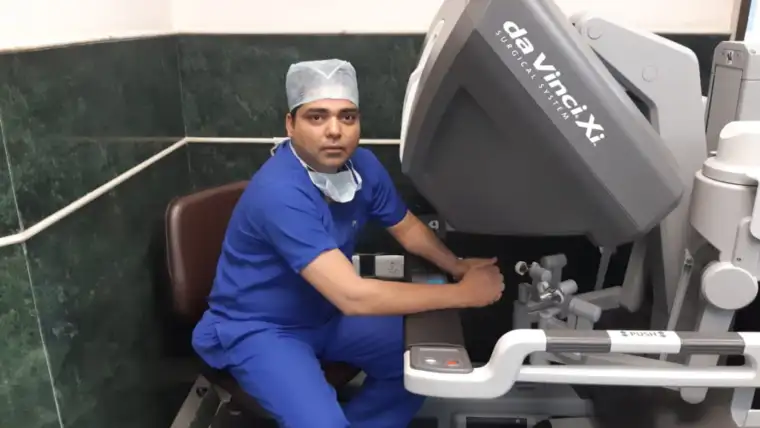
Dr. Arif Akhtar's uro-oncology practice in Gurugram covers bladder cancer across its full range — from TURBT and intravesical therapy for early-stage disease through to radical cystectomy and urinary diversion for muscle-invasive disease. His practice also includes prostate and kidney cancer surgery. Exact current qualifications, hospital affiliation and case experience should be published exactly as verified by the doctor and kept consistent with the About and Robotic Urology pages.
Recovery after transurethral resection of bladder tumour (TURBT) is typically relatively quick. Many patients can resume normal activities within one to two weeks, although temporary blood in the urine and mild urinary discomfort may occur during the recovery period.
Recovery after radical cystectomy is considerably longer than after TURBT. It usually involves a hospital stay of a week or more, several weeks of restricted activity and a gradual return to normal daily activities following major surgery.
Following bladder removal, recovery also includes an adjustment period for the chosen urinary diversion. Your surgical team provides hands-on guidance on managing a stoma bag or catheterising a continent pouch where relevant, along with instructions specific to the diversion selected with you before surgery.
Get clear answers to common questions about bladder cancer diagnosis, surgery, urinary diversion, recovery, follow-up and treatment costs in Gurugram.
No. Blood in the urine can have many possible causes, including urinary infection, kidney stones and benign prostate enlargement. However, blood in the urine should always be evaluated because bladder cancer is one of the possible causes that needs to be ruled out.
No. Most bladder cancers are diagnosed at the non-muscle-invasive stage and can be treated with bladder-preserving approaches such as TURBT and intravesical therapy. Radical cystectomy is generally considered for muscle-invasive disease or selected patients with high-risk or recurrent disease.
An ileal conduit drains urine continuously into an external collection bag, while a neobladder is reconstructed from a segment of intestine and connected to the urethra, allowing more natural urination for suitable patients. The appropriate option depends on your anatomy, kidney function, overall health and personal preference and is discussed before surgery.
Regular cystoscopy and urine testing may continue for years after initial treatment because non-muscle-invasive bladder cancer can recur. Your urologist will determine a specific surveillance schedule based on the original tumour's stage, grade and risk category.
Where clinically suitable, radical cystectomy can be performed using a robotic-assisted approach rather than open surgery. Suitability is assessed individually based on the patient's disease characteristics, anatomy and overall health as part of surgical planning.
The cost varies significantly depending on the stage and treatment required, from TURBT through to radical cystectomy with urinary diversion. Factors may include the surgical approach, type of urinary diversion, hospital stay, ICU requirement, intravesical therapy and the specific hospital and room category. Speak with the clinic directly for a personalised estimate once diagnosis and staging are complete.
Understanding the Factors That Influence Treatment Cost
The cost of bladder cancer surgery varies significantly because the treatment spectrum ranges from TURBT and intravesical therapy to major reconstructive surgery such as radical cystectomy with urinary diversion. An accurate estimate is meaningful only after the diagnosis and stage of the cancer are established.
Costs vary depending on whether treatment involves TURBT alone, TURBT with intravesical therapy or radical cystectomy.
For cystectomy, the surgical approach and the type of urinary diversion selected can influence the overall treatment cost.
The length of hospitalisation and whether intensive care is required can affect the overall cost of major bladder cancer surgery.
Patients requiring intravesical chemotherapy or BCG may have additional treatment costs depending on the number of sessions required.
The specific hospital, room category and other hospital-related charges can also affect the final treatment cost.
An accurate estimate should be provided after diagnosis and staging are established. Treatment costs should be confirmed directly with the treating doctor and hospital.