
Dr. Arif Akhtar
Senior Urologist
Hello! 👋 Welcome to Dr. Arif Akhtar. He is a Gurugram-based urologist specializing in robotic urology, uro-oncology, and kidney transplantation.
Just now
Dr. Arif Akhtar is a Gurugram-based urologist who evaluates and surgically treats kidney cancer using minimally invasive and, where appropriate, robotic-assisted techniques. His approach focuses on removing kidney tumours while preserving as much healthy kidney tissue as possible. This page explains kidney cancer diagnosis, staging, surgical options, and the typical treatment journey.
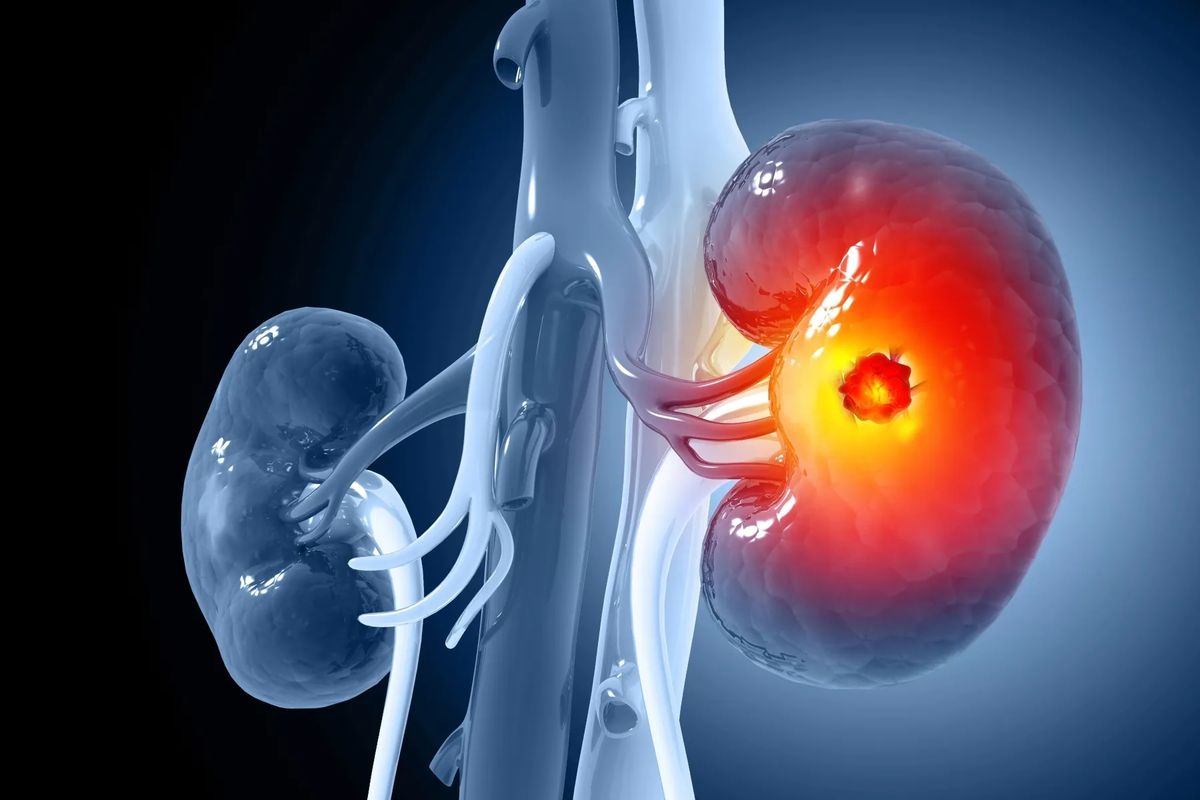
Kidney cancer develops when cells within the kidney grow abnormally and form a tumour. The most common form in adults is renal cell carcinoma (RCC), which usually begins in the lining of the small tubes inside the kidney. Many kidney tumours today are found incidentally — on an ultrasound or CT scan done for an unrelated reason — before they cause any symptoms at all, which is one reason early evaluation by a urologist matters.
Schedule a Clinical EvaluationKidney cancer does not always cause noticeable symptoms in its early stages. When symptoms do appear, they can include:
Blood in the urine (haematuria), which may be visible or picked up only on a urine test
Persistent pain or a dull ache in the flank or lower back on one side
A lump or fullness that can be felt in the abdomen or side
Unexplained weight loss, fatigue or loss of appetite
Intermittent, low-grade fever not explained by an infection
These symptoms can also occur with several non-cancerous conditions, including kidney stones or infections, so they should always be assessed by a urologist rather than self-diagnosed.
Understanding Factors Associated with Kidney Cancer
The exact cause of kidney cancer is not always identifiable. However, certain medical, lifestyle and inherited factors are associated with an increased risk of developing kidney cancer.
Smoking is associated with an increased risk of developing kidney cancer.
Long-standing high blood pressure is associated with a higher risk of kidney cancer.
Excess body weight is a recognised risk factor associated with kidney cancer.
Advanced kidney disease and long-term dialysis may increase the risk of kidney cancer.
Certain inherited conditions, such as von Hippel-Lindau syndrome, can increase risk.
A family history of kidney cancer may be associated with an increased risk.
If a kidney mass is suspected — whether because of symptoms or an incidental scan finding — the next step is a focused evaluation to understand its size, position and likely nature. This typically includes a review of your existing scans and blood/urine tests, followed by any further imaging needed to plan treatment.
A contrast-enhanced CT scan (or MRI where CT is unsuitable) is usually the key investigation used to characterise a kidney mass and check whether it has spread beyond the kidney. A biopsy is not always required before surgery and is reserved for select cases where the diagnosis is unclear or where the result would change the treatment plan. Once the tumour is characterised, it is staged — essentially, how large it is and whether it has spread — which guides the choice between surgery, active surveillance or, in advanced disease, a combined surgical and systemic treatment approach.
For most localized kidney tumours, surgery remains the primary treatment. Dr. Arif Akhtar assesses each case individually — tumour size, location within the kidney, kidney function and the patient's overall fitness for surgery — before recommending a specific procedure.
Partial nephrectomy removes only the tumour and a margin of surrounding tissue, leaving the rest of the healthy kidney in place. Where the tumour size and position allow it, this nephron-sparing approach is generally preferred, particularly for smaller tumours, because it aims to preserve long-term kidney function.
Radical nephrectomy involves removing the entire affected kidney, along with surrounding tissue where indicated. It may be recommended for larger or more centrally located tumours where partial removal is not technically feasible or safe, or where it offers the more reliable oncological outcome for that specific tumour.
Where clinically suitable, both partial and radical nephrectomy can be performed using minimally invasive laparoscopic or robot-assisted techniques rather than open surgery. These approaches use small incisions, and robotic assistance adds magnified 3D vision and wristed instrument control that can help with precise tumour removal and reconstruction of the kidney, particularly for partial nephrectomy. Not every tumour or patient is a candidate for a robotic approach — suitability is assessed case by case. Read more on the Robotic Urology page and the dedicated Robotic Surgery for Kidney Cancer and Robotic Partial Nephrectomy articles for procedure-level detail. [Internal links — see Section 14]
For certain very small, slow-growing kidney tumours, particularly in older patients or those with significant other health conditions, active surveillance with regular imaging may be a reasonable alternative to immediate surgery. This decision is individualised and discussed in detail during consultation.
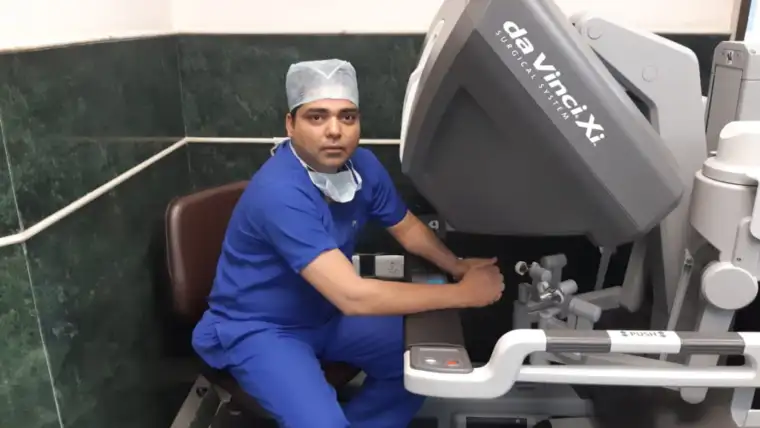
Dr. Arif Akhtar is a urologist practising in Gurugram, with training in general surgery followed by super-specialisation in urology (MCh Urology). His practice covers uro-oncology (including kidney, bladder and prostate cancer surgery), robotic and laparoscopic urological surgery, and renal transplantation. Exact current qualifications, professional memberships, affiliated hospital(s) and years of practice must be confirmed with the doctor and stated consistently across the website — public listings currently show some variation in the stated years of experience and current hospital affiliation. [VERIFY WITH DOCTOR]
The surgical priority in kidney cancer treatment is twofold: removing the tumour completely and, wherever oncologically appropriate, preserving as much functioning kidney tissue as possible. Dr. Arif Akhtar's approach favours minimally invasive techniques — laparoscopic or robotic — where the tumour characteristics make them suitable, with the treatment plan always built around the individual patient's scans and overall health rather than a one-size-fits-all protocol.
Your first consultation involves a review of your scans and reports, a clinical examination, and any additional tests needed to confirm fitness for surgery and to finalise whether partial or radical nephrectomy — and which surgical approach — is most appropriate for your tumour.
Kidney cancer surgery is performed under general anaesthesia. Hospital stay depends on the type and approach of surgery — minimally invasive procedures typically allow a shorter admission than open surgery, though the exact duration varies by patient. Your surgical team will walk you through what to expect for your specific procedure before the day of surgery.
Recovery timelines vary with the type of surgery performed and individual healing. After discharge, you will be given clear guidance on activity restrictions, wound care and when to resume normal routines. Kidney cancer follow-up continues beyond the immediate recovery period, with periodic imaging and kidney-function checks to monitor for recurrence and to track how the remaining kidney tissue is functioning.
Get clear answers to common questions about kidney cancer surgery, nephrectomy, robotic surgery, recovery, and treatment costs in Gurugram.
Many kidney cancers that are detected while still confined to the kidney can be treated effectively with surgery. Outcomes depend on tumour size, stage and grade at diagnosis, and the patient's overall health. Your treatment options and expected outcomes are assessed individually rather than being guaranteed for every patient.
Partial nephrectomy removes only the kidney tumour while preserving the remaining healthy kidney tissue. Radical nephrectomy removes the entire affected kidney. The choice depends on factors such as tumour size, location, and the function of both kidneys, and is discussed during consultation.
Recovery time depends on whether the surgery is performed through an open, laparoscopic, or robotic approach, as well as individual health factors. Minimally invasive approaches generally allow a faster return to daily activities than open surgery, but your surgeon will provide a recovery timeline specific to your procedure.
Robotic assistance can offer precision advantages for suitable kidney tumours, particularly during partial nephrectomy where detailed reconstruction of the kidney may be required. However, robotic surgery is not automatically the right choice for every tumour or patient. Suitability is assessed on a case-by-case basis after detailed evaluation.
The cost of kidney cancer surgery depends on the type of procedure, such as open, laparoscopic, or robotic surgery, along with the hospital stay and hospital-specific charges. Patients should speak with the clinic directly for a personalised estimate after their medical evaluation.