
Dr. Arif Akhtar
Senior Urologist
Hello! 👋 Welcome to Dr. Arif Akhtar. He is a Gurugram-based urologist specializing in robotic urology, uro-oncology, and kidney transplantation.
Just now
Most patients who reach out for a second opinion have already been told something significant — that they need surgery, that an organ needs to be removed entirely, or that a specific treatment path is their only option. Getting an independent second look before committing to major treatment is a well-established, sensible step — not a lack of trust in your first doctor. Dr. Arif Akhtar offers second opinions in Gurugram across kidney, prostate and bladder cancer, kidney transplant, kidney stone treatment, and complex reconstructive cases.

Published research on men with localized prostate cancer found that around 40% sought a second opinion — most commonly because they wanted more information about their condition, or wanted to be seen by another specialist before deciding. Seeking a second opinion doesn't mean you've lost trust in your current doctor; it means you're taking a major decision seriously, which any good doctor should respect.
Schedule a Clinical EvaluationTaking time for an independent assessment is particularly vital before irreversible procedures or when navigating multiple treatment pathways:
Before any surgery that removes an entire organ, such as a radical nephrectomy or cystectomy
Before a cancer diagnosis leads directly to major treatment without much time to process it
When you're choosing between genuinely different treatment paths — surgery vs. active surveillance, for example
For rare, complex or unusual cases where more specialised experience may add real value
Simply because something about the plan doesn't sit right with you, even if you can't articulate exactly why
A second opinion can sometimes identify a less invasive option than originally proposed — for example, confirming that a kidney tumour is genuinely suitable for partial rather than radical removal, or that active surveillance is a reasonable option for a low-risk prostate cancer rather than immediate surgery. It can also surface additional information — a treatment approach, technique, or consideration not raised in the first consultation.
Just as often, a second opinion confirms the original recommendation was correct — and that's a genuinely useful outcome too, giving you confidence to proceed. Research on second opinions in prostate cancer specifically found they weren't strongly associated with a change in treatment choice for most patients — the value is often in confidence and clarity, not necessarily a different plan. This is stated honestly here because a second opinion practice that implies it will always find something different isn't being straight with you.
Specialised Urological Surgical Decision-Making
Navigating complex urological treatments requires precision. A second clinical opinion offers the evidence, clarity, and reassurance needed before undergoing major surgery.
One of the most common second-opinion scenarios: a patient told they need their entire kidney removed, seeking confirmation of whether a kidney-sparing partial nephrectomy is genuinely not an option for their specific tumour. See Kidney Cancer Surgeon in Gurugram.
Given how many genuinely different, reasonable treatment paths exist for prostate cancer depending on risk category, this is one of the conditions where a second opinion adds the most value. See Prostate Cancer Surgeon in Gurugram.
Given the wide treatment spectrum in bladder cancer, confirming exactly why bladder-preserving treatment isn't suitable — if that's the recommendation — is a common and reasonable request. See Bladder Cancer Surgery in Gurugram.
For transplant decisions and complex reconstructive surgery — urethroplasty, ureteric reconstruction — where technique and surgeon experience genuinely affect outcomes, a second opinion is a reasonable step before committing. See Kidney Transplant Surgeon in Gurugram and Urethroplasty & Ureteric Reconstruction Surgery.
Where a specific procedure (often PCNL) has been recommended, confirming whether a less invasive option like RIRS is genuinely not suitable is a common, reasonable question. See Kidney Stone Treatment.
Bringing your existing scans, biopsy or pathology reports, blood test results and details of the treatment plan already recommended makes for the most productive possible second-opinion consultation — in most cases, repeat testing isn't needed.
Your existing reports and imaging are reviewed in detail, alongside a fresh clinical discussion of your situation, before an independent assessment is given — explained clearly, including the reasoning behind it, whether it agrees with the original plan or suggests a different path.
Where the independent assessment differs meaningfully from your original recommendation, this is discussed openly, including what specifically leads to a different view — you're never asked to simply take a second opinion's word over your first doctor's without understanding why.
A second opinion consultation is generally priced similarly to a standard specialist consultation, since it involves comparable time reviewing your case — it is not automatically cheaper simply because you already have a diagnosis. The main factors that affect cost include:
Whether any additional imaging or tests are needed beyond what you already have. In most cases, existing recent scans are sufficient, avoiding unnecessary repeat expenses.
The complexity of the case and the clinical time needed to examine extensive prior hospital reports, surgical notes, biopsy slides, or multi-phase scans.
Whether a formal written second-opinion report is requested for insurance, legal records, or your primary physician, in addition to the clinical consultation itself.
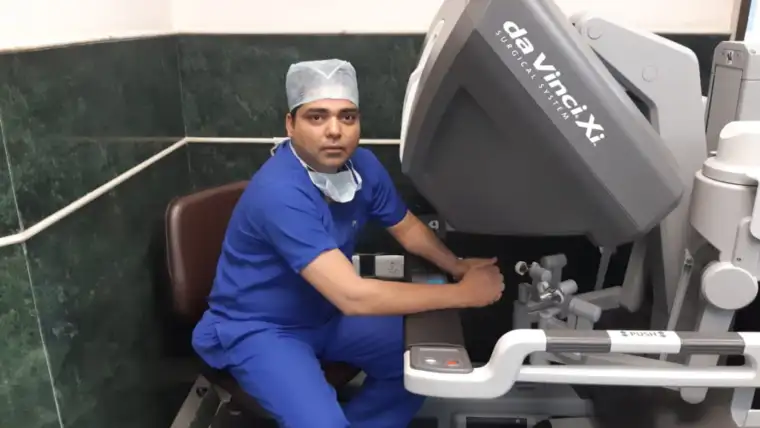
Dr. Arif Akhtar is a senior urologist practising in Gurugram with advanced clinical expertise across endourology, uro-oncology, robotic surgery, and renal transplantation. When providing a second opinion, Dr. Akhtar conducts an unbiased, thorough assessment of your existing scans, pathology findings, and proposed surgical plans — ensuring you understand all potential options, from organ-sparing techniques to active surveillance, before proceeding.
Clear, transparent answers to help you navigate your second consultation with confidence before making major urological surgery decisions.
Any reasonable doctor understands and respects a patient's wish for a second opinion on a major decision — it's a standard, encouraged part of good medical care, not a slight against your current doctor.
Usually not — existing reports and imaging can typically be reviewed as they are, and repeat testing is only suggested where it would genuinely change the assessment.
A single consultation is usually enough to review your case and give an independent assessment, though particularly complex cases may need a short additional review time before a full opinion is given.
You'll be given a clear explanation of the reasoning behind the different view, so you can make an informed decision — including, if you'd like, the option to discuss both opinions with your original doctor before deciding how to proceed.
Yes, though it's most valuable before starting major or irreversible treatment — if you're partway through a treatment plan, mention this when booking so the consultation can be tailored appropriately.
Cost is generally comparable to a standard specialist consultation, with some variation depending on case complexity. Speak with the clinic directly for a personalised estimate.