
Dr. Arif Akhtar
Senior Urologist
Hello! 👋 Welcome to Dr. Arif Akhtar. He is a Gurugram-based urologist specializing in robotic urology, uro-oncology, and kidney transplantation.
Just now
For men who haven't found a reliable answer through medication, vacuum devices or injection therapy, a penile implant offers a permanent, on-demand solution that doesn't depend on timing a pill or managing an injection. Dr. Arif Akhtar performs penile implant surgery in Gurugram, including complex cases such as redo surgery after a previous implant and implants for men with Peyronie's disease, with the same discretion and privacy every part of this conversation deserves.
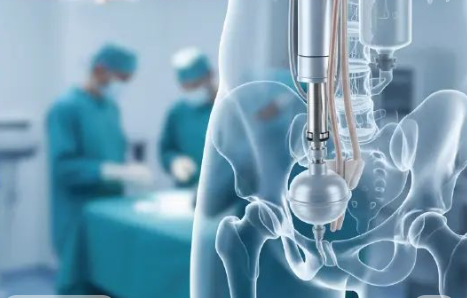
A penile implant, also called a penile prosthesis, is a medical device surgically placed inside the penis to allow an erection on demand, regardless of the underlying cause of erectile dysfunction. Unlike medication or injections, which need to be taken or administered each time, an implant is permanent — once placed, it becomes the ongoing solution rather than a repeated treatment.
A penile implant is generally considered when other treatments for erectile dysfunction have not provided a reliable or satisfactory result. This may include situations where:
Schedule a Clinical EvaluationA penile prosthesis may be an option for men whose erectile dysfunction has not responded adequately to less invasive treatments or who are seeking a permanent treatment approach.
Oral ED medication (PDE5 inhibitors) has not provided a reliable result or is not suitable because of other health conditions or medications
Vacuum erection devices or intracavernosal injection therapy have not worked well or are difficult to tolerate
Erectile dysfunction has a primarily physical cause that is not expected to improve with less invasive treatment
A man prefers a permanent solution rather than an ongoing treatment-by-treatment approach
Other ED treatments have not delivered a satisfactory outcome and a surgical option is being considered after clinical evaluation
Penile implant surgery is generally not a first-line ED treatment but may be a definitive surgical option for appropriately selected patients
For men with Peyronie's disease — where scar tissue causes the penis to curve, sometimes alongside erectile dysfunction — a penile implant can address both the curvature and erectile function in the same procedure in appropriately selected cases. This type of surgery can be more complex than a standard penile implant and requires careful assessment of the curvature, erectile function and individual anatomy before deciding on the appropriate surgical approach.
Discuss Your Treatment OptionsUnderstanding Inflatable and Malleable Penile Prostheses
Penile implants are available in different designs, and the right option depends on your anatomy, health, manual dexterity and personal preferences. The two main types are inflatable and malleable implants, each with different features and considerations.
A three-piece inflatable implant uses fluid-filled cylinders, a pump placed in the scrotum and a fluid reservoir. The pump is activated when an erection is desired and the device can be deflated afterward, providing a more natural-feeling result.
A two-piece inflatable system combines the fluid reservoir and pump into one unit while using inflatable cylinders. It can be suitable for certain anatomies where a conventional three-piece system may not be ideal.
Malleable implants use bendable rods that keep the penis firm but allow it to be positioned up or down as needed. They have fewer mechanical components and may suit men who prefer a simpler device or have difficulty operating an inflatable pump.
Implant selection depends on anatomy, manual dexterity, co-existing conditions such as Peyronie's disease and personal preference between the natural feel of an inflatable device and the mechanical simplicity of a malleable implant.
Both implant options can be discussed in detail before surgery, including how each device works, its practical considerations and what you can realistically expect from the treatment.
When Peyronie's disease is present alongside erectile dysfunction, the curvature and erectile function are considered together when selecting the implant and planning the surgical approach.
Before surgery, your history of previous ED treatments, overall health and relevant medical conditions are reviewed. Conditions such as diabetes are important because they can affect infection risk. The consultation also includes a clear discussion of what the implant can and cannot change, helping you make an informed decision about treatment.
Penile implant surgery is performed under general or spinal anaesthesia and typically takes about an hour, although the duration can vary depending on the individual case. A small incision is made to place the implant components. With inflatable devices, the pump is positioned in the scrotum and the reservoir is placed in the lower abdomen. Careful infection-prevention measures are followed throughout the procedure.
Infection is one of the most important complications considered with penile implant surgery. Appropriate patient selection, preparation and strict infection-prevention protocols are therefore important parts of the surgical process. Your individual health conditions and risk factors are assessed before the procedure.
When a previous implant has failed mechanically, become infected or otherwise requires replacement, revision surgery can be more technically demanding than a first-time implant. Scar tissue may need to be managed and the surgical approach may differ from the original procedure. Revision cases require careful assessment and individualised surgical planning.
Penile implant surgery is often performed as a short-stay procedure. The exact duration of hospitalisation can vary depending on whether the surgery is a first-time or revision procedure and according to your surgical team's specific protocol and recovery needs.
The implant is generally left deactivated during the initial healing period. Activation and instruction on how to use the device commonly take place around four to six weeks after surgery, allowing the surgical sites adequate time to heal. Your surgeon will confirm the appropriate timing for you.
Most men can resume sexual activity once the implant has been activated and postoperative swelling and discomfort have settled. This is often within the same four-to-six-week period, although your surgeon will confirm when it is safe to resume sexual activity based on your individual recovery.
Get clear answers to common questions about penile implant function, permanence, risks, Peyronie's disease, privacy and the cost of penile implant surgery in Gurugram.
Inflatable penile implants are designed to provide an erection on demand while allowing the penis to remain in a more natural flaccid state when the device is deflated. The implant does not replace penile sensation or nerve function, so sensation and orgasm are generally preserved, although individual experiences can vary.
Yes. A penile implant is intended to be a long-term treatment and, unlike medication or injections, does not need to be used each time sexual activity is planned. The mechanical components of an implant can eventually wear out or develop problems, and revision surgery may be required after many years.
Infection is one of the most important complications associated with penile implant surgery, which is why careful infection-prevention measures are used before, during and after the procedure. Mechanical failure or device-related problems can also occur over time and may require evaluation or revision surgery.
Yes, in appropriately selected cases. A penile implant can help improve penile curvature in some men with Peyronie's disease and erectile dysfunction. Additional correction techniques may sometimes be performed during the same surgery, depending on the degree of curvature, anatomy and individual treatment requirements.
Penile implant treatment involves highly personal concerns, so consultations and follow-up are handled with attention to privacy and discretion. You can also involve your partner in discussions to whatever extent you are comfortable with throughout the treatment process.
The cost depends on factors such as the type of penile implant, whether the procedure is a first-time or revision surgery, the hospital stay and any additional procedures required. The clinic can provide a personalised estimate after your evaluation. A specific cost figure or range should only be published after confirmation from the doctor and hospital.