20 Frequently Asked Questions About Kidney Transplant Surgery
Kidney transplant surgery is a life-changing procedure that can provide a fresh start for individuals suffering from kidney failure. It involves replacing a diseased or damaged kidney with a healthy one from a donor. Despite its potential to transform lives, many individuals have numerous questions regarding the kidney transplant procedure. In this blog, we’ll address 20 of the most frequently asked questions about kidney transplant surgery, including what to expect, the process, costs, and recovery.
Kidney transplant surgery is a complex medical procedure, and having the right information can help patients and their families make informed decisions. Below are answers to 20 common questions about the kidney transplant process.
1. What is a kidney transplant?
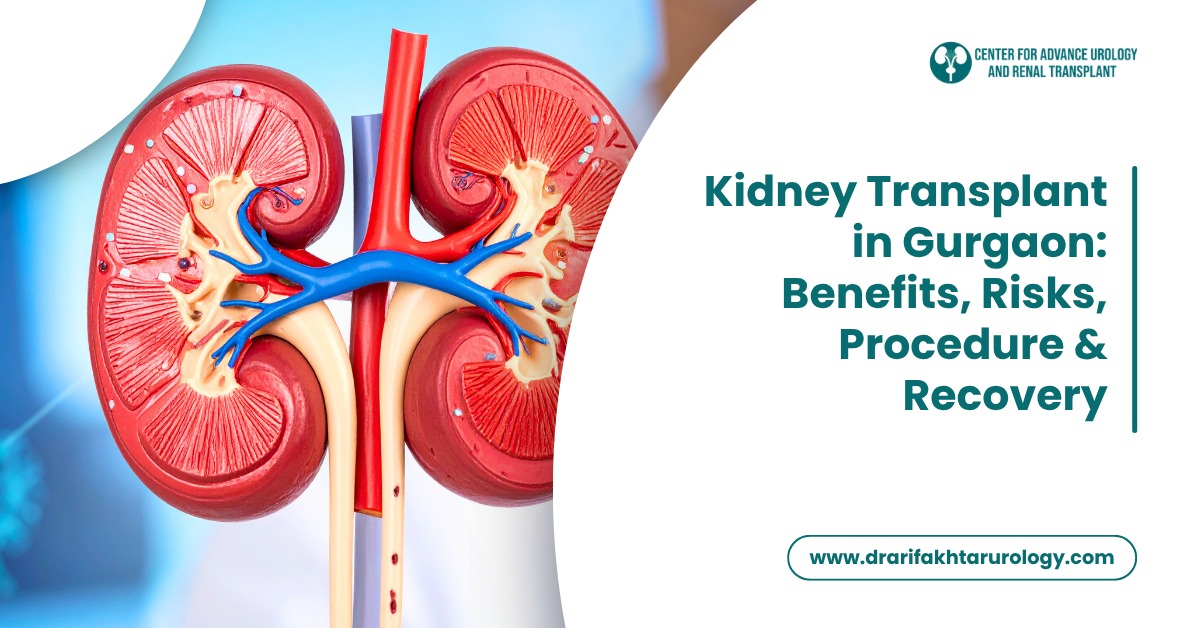
A kidney transplant involves surgically placing a healthy kidney from a living or deceased donor into a person whose kidneys no longer function properly due to disease or injury. The new kidney takes over the job of filtering waste and excess fluids from the body.
2. Why would I need a kidney transplant?
Kidney transplant surgery is necessary when a person has end-stage kidney failure, which can result from conditions like diabetes, high blood pressure, or chronic kidney disease. When kidney function drops to below 15%, a transplant may be recommended as a life-saving option.
3. What is the kidney transplant procedure?
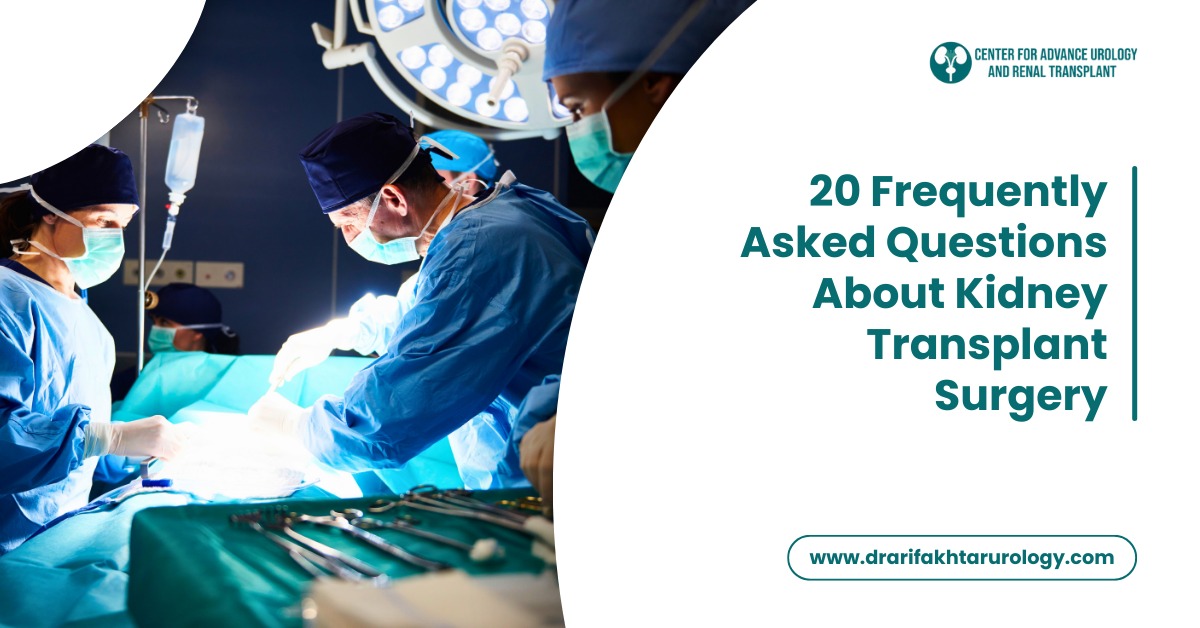
The kidney transplant procedure involves removing the damaged kidney and replacing it with a healthy donor kidney. The new kidney is placed in the lower abdomen, and blood vessels are connected to allow it to filter waste from the bloodstream. The procedure typically lasts several hours.
4. What are the different types of kidney transplants?
There are two main types of kidney transplants:
- Living donor kidney transplant: The kidney comes from a living person, often a relative, friend, or altruistic donor.
- Deceased donor kidney transplant: The kidney comes from someone who has passed away and donated their organs.
5. How do I know if I need a kidney transplant?
If your kidneys are functioning below 15%, and dialysis is no longer effective or desirable, a kidney transplant may be considered. Your healthcare team will assess your kidney function and overall health before making this recommendation.
6. How long will I wait for a kidney transplant?
The waiting time for a kidney transplant can vary depending on factors such as blood type, the severity of kidney failure, and your place on the transplant waiting list. On average, patients may wait several months to years for a deceased donor kidney.
7. What is the kidney transplant process?
The kidney transplant process begins with an evaluation to determine if you’re a suitable candidate for surgery. After approval, you’ll be placed on the transplant waiting list (if using a deceased donor) or begin searching for a living donor. Once a match is found, surgery is scheduled.
8. What tests are done before a kidney transplant?
Before the transplant, tests such as blood work, imaging, and compatibility tests (HLA typing) are conducted to ensure the donor kidney is a good match. These tests also check your overall health and assess if you can tolerate the surgery and post-operative care.
9. How do doctors match the donor kidney to the recipient?
Kidney match is based on several factors, including blood type, tissue typing, and HLA (Human Leukocyte Antigen) matching. These factors help to determine the compatibility of the donor and recipient, which reduces the risk of organ rejection.
10. What are the risks of kidney transplant surgery?
Like any major surgery, kidney transplant surgery carries risks such as infection, blood clots, and complications from anesthesia. There is also a risk of organ rejection and side effects from immunosuppressant medications that are necessary to prevent rejection.
11. How long does recovery take after kidney transplant surgery?
Recovery time varies depending on the individual, but most people spend about 5-10 days in the hospital after kidney transplant surgery. Full recovery can take several weeks to months, during which time you will need regular follow-up appointments.
12. What medications will I need after a kidney transplant?
After a kidney transplant, you’ll be prescribed immunosuppressant medications to help prevent organ rejection. These medications need to be taken for the rest of your life to suppress your immune system and prevent it from attacking the new kidney.
13. What is kidney transplant ICD-10?
ICD-10 refers to the International Classification of Diseases, 10th edition, which is used to categorize diseases and health conditions. The ICD-10 code for kidney transplant surgery is used by medical professionals for billing and diagnosis tracking purposes.
14. How can I improve my chances of a successful kidney transplant?
To improve your chances, you should maintain a healthy lifestyle, follow your doctor’s instructions, and stay on top of your medications. Controlling underlying conditions like high blood pressure and diabetes also helps ensure the long-term success of your transplant.
15. What happens if my body rejects the transplanted kidney?
Rejection occurs when the immune system attacks the donor kidney. Symptoms of rejection include fever, pain, and changes in urination. If rejection occurs, your healthcare team will adjust medications to help the body accept the kidney or may consider other interventions.
16. Can I live a normal life after a kidney transplant?
Yes, many people live healthy, active lives after a kidney transplant. While there are ongoing medical requirements (such as taking medications and attending check-ups), a successful transplant can restore kidney function and improve overall health and well-being.
17. How much does a kidney transplant cost?
The cost of a kidney transplant can vary depending on the location and type of transplant. In India, the cost typically ranges from INR 3 to 5 lakhs for a living donor transplant, and INR 5 to 8 lakhs for a deceased donor transplant, excluding post-operative care.
18. What lifestyle changes are necessary after a kidney transplant?
Post-transplant, you’ll need to follow a kidney-friendly diet, exercise regularly, and avoid smoking and excessive alcohol consumption. Adhering to your treatment plan and maintaining a healthy lifestyle are key to the long-term success of your transplant.
19. How often will I need follow-up care after my kidney transplant?
Follow-up care is essential after kidney transplant surgery. You’ll have regular check-ups during the first year and less frequent appointments afterward. These appointments will monitor your kidney function, detect early signs of rejection, and adjust medications as needed.
20. How successful is kidney transplant surgery?
Kidney transplant surgery is highly successful, with the 1-year survival rate for a transplanted kidney at about 90% or higher, depending on the recipient’s overall health and the donor kidney’s condition. Long-term success is possible with proper care and follow-up.
Conclusion
Kidney transplant surgery offers a life-saving solution for those suffering from kidney failure, but it’s important to understand the procedure, the process, and the risks involved. With careful preparation, adherence to medical advice, and proper aftercare, many people enjoy a long, healthy life post-transplant. If you or a loved one are considering a kidney transplant, speak to your doctor to learn more about your options and the next steps.