
Creatinine levels are a key indicator of kidney function. Measuring creatinine levels in the blood can help doctors assess how well the kidneys are filtering waste and toxins from the bloodstream. High or abnormal creatinine levels can signal potential kidney problems, making it essential to understand what these levels reveal about your health. In this blog, we’ll break down what creatinine levels are, how they are measured, and what the results can indicate about your kidney health.
Creatinine Levels Explained: What They Reveal About Kidney Function
Creatinine is a waste product generated by the muscles during normal daily activity. It is filtered from the blood by the kidneys and is typically excreted in urine. The amount of creatinine in the blood provides valuable insights into how effectively the kidneys are performing their job. A creatinine test is often one of the first steps in diagnosing kidney conditions, especially if there are concerns about kidney function. But what do these creatinine levels actually tell us about kidney health? Let’s take a closer look.
1. What Are Normal Creatinine Levels?
Normal creatinine levels vary based on several factors, including age, gender, muscle mass, and overall health. On average, normal creatinine levels in the blood fall within the following ranges:
- For men: 0.6 to 1.2 mg/dL
- For women: 0.5 to 1.1 mg/dL
- For children: 0.3 to 0.7 mg/dL
However, these ranges can vary slightly depending on the lab or healthcare provider. The key takeaway is that creatinine levels should be stable and within a certain range for optimal kidney health.
2. How Are Creatinine Levels Measured?
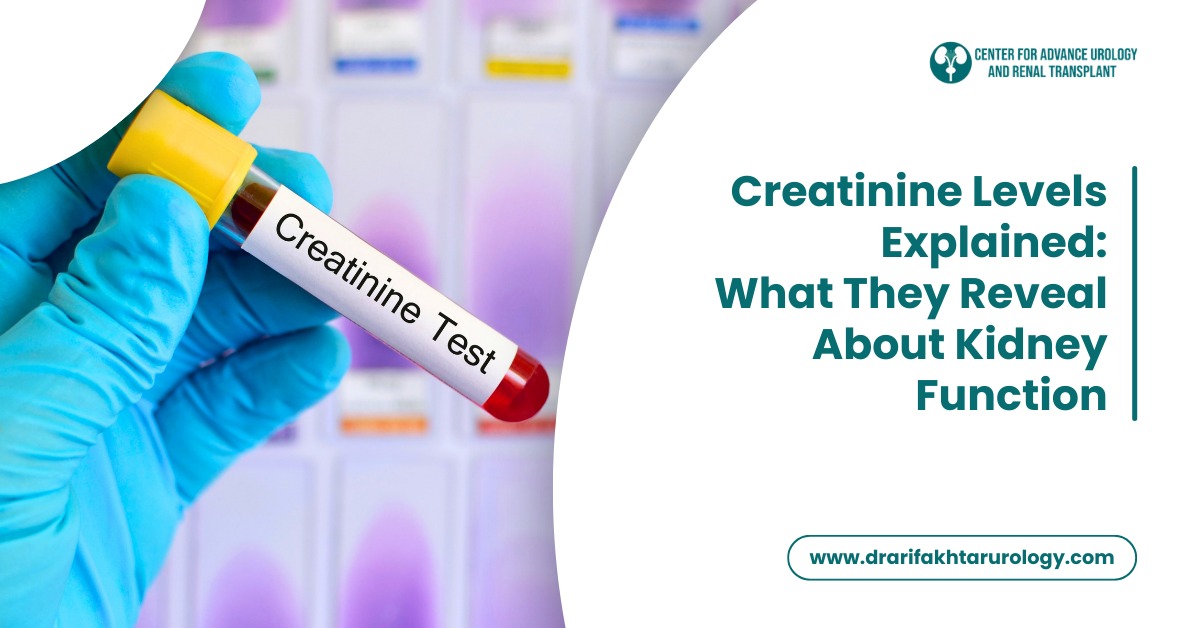
Creatinine levels are typically measured through a simple blood test. During this test, a sample of blood is taken from your arm, and the creatinine concentration in the blood is measured. Additionally, your healthcare provider may perform a creatinine clearance test, which measures the amount of creatinine that is cleared from your blood by your kidneys over a period of time. This test is often used to estimate the glomerular filtration rate (GFR), which is a key measure of kidney function.
3. What Do High Creatinine Levels Mean?
Higher-than-normal creatinine levels can indicate that the kidneys are not functioning properly. Some potential causes of elevated creatinine levels include:
3.1 Acute Kidney Injury
Acute kidney injury, often due to trauma, dehydration, infections, or certain medications, can cause a rapid increase in creatinine levels. This may occur over a short period of time, and prompt medical attention is essential to prevent further kidney damage.
3.2 Chronic Kidney Disease (CKD)
Chronic kidney disease, a progressive condition, can lead to consistently elevated creatinine levels over time. As kidney function declines, the kidneys become less able to filter creatinine effectively, leading to its accumulation in the bloodstream. Elevated creatinine levels may indicate a decrease in kidney function and the need for ongoing monitoring.
3.3 Dehydration
Severe dehydration can also cause a temporary rise in creatinine levels. When the body becomes dehydrated, the kidneys work harder to maintain fluid balance, leading to a higher concentration of creatinine in the blood.
3.4 Certain Medications
Some medications, particularly those used to treat infections or high blood pressure, can interfere with kidney function and cause creatinine levels to rise. If you are taking medications that affect kidney function, your doctor may monitor your creatinine levels closely.
4. What Does Low Creatinine Levels Indicate?
While high creatinine levels are more commonly associated with kidney dysfunction, low creatinine levels can also occur. Some potential causes of low creatinine levels include:
- Low muscle mass: People with less muscle mass, such as the elderly or those with malnutrition, may have naturally low creatinine levels because less creatinine is produced by muscle breakdown.
- Pregnancy: During pregnancy, especially in the early stages, creatinine levels can be lower due to increased blood volume and kidney filtration.
- Severe liver disease: In rare cases, low creatinine levels can be a sign of severe liver disease, where the liver is unable to produce sufficient amounts of creatine, a substance that contributes to creatinine production.
5. When to Worry About Creatinine Levels?
It’s essential to pay attention to creatinine levels that fall outside the normal range. However, there are specific thresholds when you should be more concerned, especially if creatinine levels are rising over time.
- What level of creatinine indicates kidney failure?
Generally, a creatinine level above 1.2 mg/dL (for adults) may signal that something is wrong with the kidneys. However, kidney failure is usually diagnosed when creatinine levels exceed 4.0 mg/dL, but kidney function may already be impaired at much lower levels. - When to worry about creatinine levels
If your creatinine levels consistently rise above normal levels or if you experience symptoms such as fatigue, swelling, or difficulty urinating, it’s important to seek medical advice. If creatinine levels continue to increase, it may indicate the progression of kidney disease and require more intensive treatment or intervention.
6. Normal Creatinine Levels by Age
Creatinine levels can also vary by age. Generally, as you age, muscle mass decreases, leading to lower creatinine production. Here’s a rough idea of normal creatinine levels by age:
- In children: 0.3 to 0.7 mg/dL
- In adults under 40: 0.6 to 1.2 mg/dL for men, 0.5 to 1.1 mg/dL for women
- In adults over 40: Levels may be lower, especially in individuals with decreased muscle mass or poor nutrition
It’s important to note that these are general guidelines, and each person’s creatinine levels will vary based on their health, lifestyle, and other factors.
Conclusion
Creatinine levels are a crucial marker for kidney health, helping doctors assess how well the kidneys are functioning. Regular monitoring of creatinine levels, particularly if you have risk factors for kidney disease, is essential for early detection and intervention. If you notice any abnormal creatinine levels, or if you experience symptoms like swelling, fatigue, or changes in urination, consult a healthcare professional immediately. Dr. Arif Akhtar, a renowned kidney specialist, can help interpret your creatinine levels and guide you through appropriate treatment options. Early detection and proactive care can significantly improve kidney health and prevent further complications.