
Introduction
Kidney transplants are life-saving procedures for individuals suffering from end-stage kidney disease, offering them a chance to reclaim their health and quality of life. When a kidney transplant becomes necessary, patients typically have two main options: a living donor kidney transplant or a deceased donor kidney transplant. Both options come with their own set of advantages and challenges. In this blog, I’ll compare these two types of kidney transplants to help you understand the differences, benefits, and considerations for each, allowing you to make an informed decision whether you’re considering becoming a donor or awaiting a transplant.
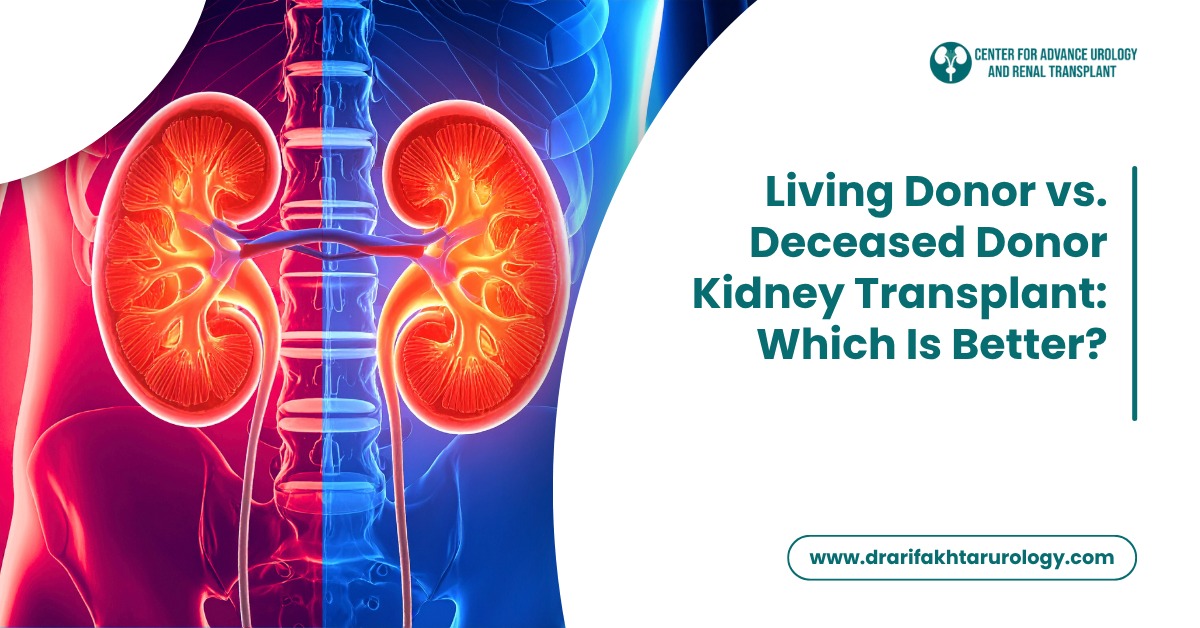
Living Donor vs. Deceased Donor Kidney Transplant – Which Is Better?
Kidney transplants can dramatically improve the quality of life for those facing kidney failure. The decision between a living donor kidney transplant and a deceased donor kidney transplant often depends on factors such as medical urgency, donor availability, and individual circumstances. In this section, I’ll provide a detailed comparison of both options to help guide you in understanding which one might be best for you.
What Is a Living Donor Kidney Transplant?
A living donor kidney transplant involves receiving a kidney from a living individual, typically a relative, friend, or even a stranger willing to donate. This is a planned and more immediate process compared to a deceased donor transplant.
Benefits of Living Donor Kidney Transplant:
- Shorter Waiting Time: One of the major benefits of a living donor transplant is the significantly shorter waiting time. In most cases, the transplant can happen soon after a suitable donor is identified, which helps avoid the long waiting periods that often accompany deceased donor transplants.
- Better Organ Function: Kidneys from living donors tend to function better right away because they haven’t been subjected to the stresses of being outside the body for an extended period.
- Higher Success Rates: Studies show that living donor kidney transplants have higher success rates than deceased donor transplants. The transplanted kidney often lasts longer, and the body is more likely to accept it.
- Planned Surgery: Living donor transplants allow for a scheduled, coordinated approach to surgery, making it easier for both the donor and recipient to plan their recovery and reduce disruptions to their lives.
What Is a Deceased Donor Kidney Transplant?
A deceased donor kidney transplant involves receiving a kidney from someone who has passed away. While this is the most common type of transplant, it often requires a longer wait due to the limited availability of organs.
Benefits of Deceased Donor Kidney Transplant:
- Availability of Donors: Deceased donor kidney transplants are made available through organ donation programs, which means there are more kidneys available for patients. Although the wait for a deceased donor kidney may take longer, it can be a viable option for those without compatible living donors.
- Larger Organ Pool: Deceased donor kidneys come from a larger pool of donors, including those who may not have living relatives or friends able to donate.
- No Need for a Living Donor: The main advantage of receiving a kidney from a deceased donor is that there is no need to find a living person to donate. This makes it an ideal option for individuals who don’t have family or friends willing or able to donate.
Key Differences Between Living Donor and Deceased Donor Kidney Transplants
Both types of kidney transplants are highly effective, but there are some important differences to keep in mind. Below is a comparison of the two:
| Aspect | Living Donor Kidney Transplant | Deceased Donor Kidney Transplant |
| Waiting Time | Shorter, often only a few months | Longer, often years, depending on organ availability |
| Success Rates | Higher, with better immediate kidney function | Generally lower, but still highly effective |
| Organ Function | Usually better immediate function | May take longer for the kidney to begin working effectively |
| Surgical Planning | Scheduled, controlled timing | Emergency-based, requires quick action after organ becomes available |
| Impact on Donor | Involves surgery for the donor as well | No impact on a living donor |
Considerations for Both Types of Transplants
Living Donor Kidney Transplant
Living donor transplants offer shorter waiting times and better immediate organ function, but the decision to donate is not without risks. Donors must undergo surgery, and while the procedure is generally safe, there is a recovery period. Additionally, donors must be in good overall health to ensure they can live a normal life with one kidney.
Deceased Donor Kidney Transplant
Deceased donor kidney transplants eliminate the need for a living person to undergo surgery. However, the wait for a suitable organ can be long, and the condition of the kidney may vary depending on how long it has been outside the body. Although there’s a possibility the kidney may not function immediately, advancements in organ preservation techniques are improving outcomes.
How to Decide Which Is Better for You
Choosing between a living donor kidney transplant and a deceased donor kidney transplant depends on several factors:
- Urgency: If you need a kidney transplant urgently, a living donor may be your best option, provided a suitable donor is available.
- Compatibility: The compatibility of the donor and recipient (blood type, tissue compatibility, etc.) is critical for both transplant types.
- Availability of a Donor: If you have a compatible living donor, a transplant can proceed quickly. However, if no living donor is available, a deceased donor transplant may be your best option.
- Health of the Donor: If you’re considering a living donor kidney transplant, the health of the donor and their willingness to undergo surgery must be evaluated.
Conclusion
Both living donor kidney transplants and deceased donor kidney transplants are highly effective options for treating kidney failure. While living donor transplants offer shorter waiting times and better outcomes, deceased donor transplants provide a valuable alternative for those without available living donors. The decision depends on factors such as urgency, donor availability, and individual health conditions.
If you’re considering a kidney transplant, I highly recommend discussing both options with your healthcare provider. Together, we can assess your situation and guide you toward the best option for your health and well-being.
If you or a loved one is in need of a kidney transplant or is considering becoming a donor, please feel free to contact me (Dr Arif Akhtar) for a consultation. I’ll provide you with all the information and support you need during this crucial time.