
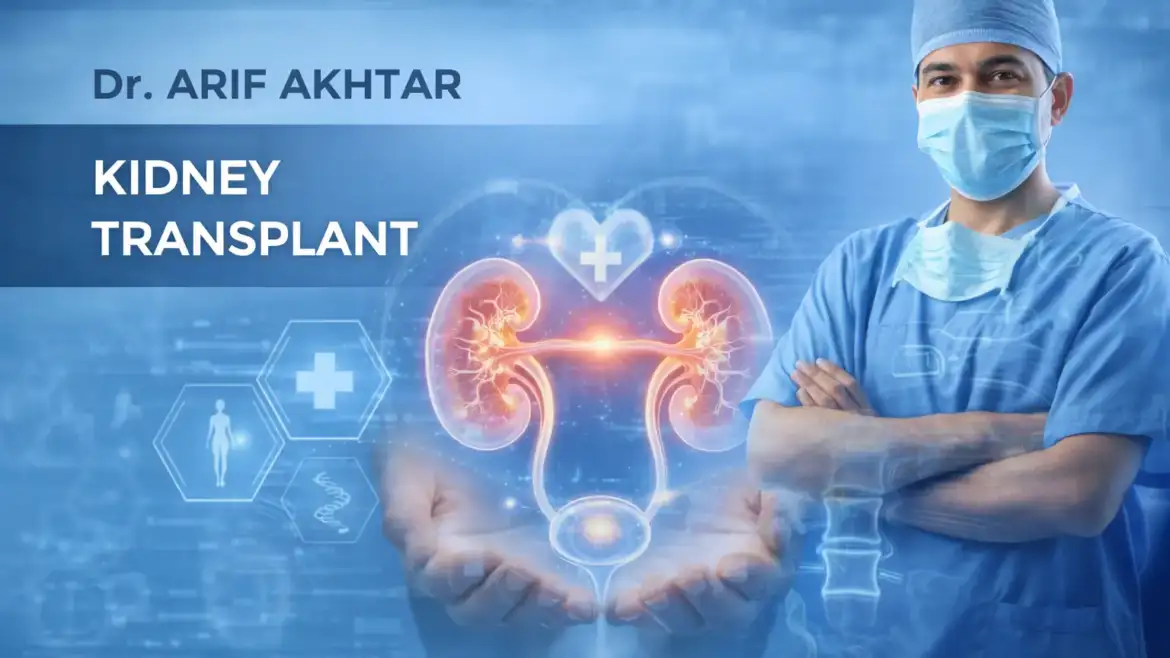
A kidney transplant is a life-changing journey toward renewed health and independence. Dr. Arif Akhtar, a premier urologist and transplant specialist, provides world-class kidney transplant surgery in Gurgaon at Medharbour Multispeciality Hospital. With over 13 years of expertise and 10,000+ successful surgeries, Dr. Akhtar ensures that patients with End-Stage Renal Disease (ESRD) receive a precise, safe, and compassionate transition from dialysis to a healthy life.
The Decision: Transplant vs. Dialysis
While dialysis is a vital bridge, a successful transplant by a specialist like Dr. Akhtar offers significant clinical advantages:
- Enhanced Longevity: Statistically, transplant recipients often live longer than those who remain on long-term dialysis.
- Dialysis-Free Lifestyle: Elimination of the 12–15 hours a week spent at dialysis centers.
- Fluid and Dietary Freedom: A significantly less restrictive diet, allowing for better nutrition and energy.
- Mental Wellbeing: Freedom from the “chronic patient” cycle, allowing a return to full-time work and travel.
Types of Kidney Transplants Performed
Dr. Akhtar specializes in various transplant scenarios to cater to different patient needs:
- Living Donor Transplant: A kidney from a healthy living person (usually a near relative). These generally have the highest success rates.
- Pre-emptive Transplant: Performing the transplant before the patient ever requires dialysis. This often leads to better long-term organ survival.
- ABO Incompatible Transplant: Specialized procedures for when the donor and recipient have different blood types, requiring advanced desensitization protocols.
Legal and Ethical Framework (THOA Compliance)
In India, organ transplantation is strictly governed by the Transplantation of Human Organs Act (THOA). Dr. Arif Akhtar and Medharbour Hospital adhere to the highest ethical standards:
- Living Related Donation: Only near relatives (parents, siblings, spouse, children, or grandparents) can typically donate.
- Authorization Committee: Every case is presented before a government-mandated committee to ensure the donation is voluntary and altruistic.
The Transplant Journey: A Step-by-Step Pathway
1. Pre-Transplant Evaluation & Matching
The process begins with “Tissue Typing” and “Cross-matching” to ensure the donor and recipient are compatible. Dr. Akhtar oversees a multidisciplinary team—including nephrologists and cardiologists—to ensure the body is ready for surgery.
2. Laparoscopic Donor Nephrectomy
Dr. Akhtar prioritizes the health of the living donor. By using Laparoscopic (Keyhole) surgery, he removes the kidney through tiny incisions.
- Donor Benefit: Less pain, a 2–3 day hospital stay, and a “scarless” recovery.
3. The Recipient Surgery
In a 4–5 hour procedure, the new kidney is placed in the lower abdomen. Dr. Akhtar’s expertise in Vascular Urology is critical here, as he precisely connects the new kidney’s blood vessels to the recipient’s circulatory system.
Post-Transplant Recovery: The First 100 Days
The “First 100 Days” are critical for organ acceptance. Dr. Akhtar provides a structured recovery map:
- Week 1-2: Intensive monitoring of kidney function (Creatinine levels) and medication adjustment.
- Month 1: Frequent follow-ups to manage immunosuppressant dosages.
- Month 3: Gradual return to full physical activity and a “new normal” routine.
Life After Transplant: Protecting Your Gift
The surgery is just the beginning. Long-term success depends on meticulous post-operative management:
- Immunosuppressant Protocols: Dr. Akhtar crafts a personalized medication plan to prevent organ rejection.
- Infection Prevention: Guidance on hygiene, diet, and social distancing during the initial “high-protection” phase.
- Activity & Exercise: Patients are encouraged to start walking within 24 hours. Most return to light work within 6–8 weeks.
FAQ
What is a kidney transplant and who needs it?
A kidney transplant is a surgical procedure where a healthy kidney from a donor is placed into a patient whose kidneys have failed. It is typically recommended for patients with end-stage kidney disease or severe chronic kidney failure who can benefit from improved quality of life and freedom from dialysis.
How does Dr. Arif Akhtar perform kidney transplant surgery?
Dr. Arif Akhtar uses advanced surgical techniques to ensure safe and successful kidney transplants. The donor kidney is carefully connected to the patient’s blood vessels and bladder, restoring normal kidney function. His expertise helps minimize complications and promotes faster recovery.
What are the success rates of kidney transplants?
Kidney transplants generally have high success rates, especially when performed by experienced surgeons like Dr. Arif Akhtar. With proper care, most transplanted kidneys function well for many years, significantly improving the patient’s overall health and life expectancy.
How long does recovery take after a kidney transplant?
Most patients stay in the hospital for about a week and can resume light activities within 4–6 weeks. Full recovery varies based on overall health, but following Dr. Arif Akhtar’s post-surgery care plan helps ensure the best outcomes.
How long can a transplanted kidney last?
A transplanted kidney can last 10–20 years or more, depending on donor compatibility, patient health, and adherence to medical advice. Regular follow-ups with Dr. Arif Akhtar help maximize the lifespan and function of the new kidney.
What are the risks involved in kidney transplant surgery?
Risks include infection, rejection of the donor kidney, and side effects from immunosuppressive medications. However, under Dr. Arif Akhtar’s care, these risks are managed with close monitoring, early intervention, and personalized treatment adjustments.