
When it comes to diagnosing kidney stones, imaging tests like ultrasound scans and CT scans are commonly used by healthcare providers. Both tests offer distinct advantages and limitations, which can sometimes make it difficult to choose the most appropriate option for diagnosis. In this blog, we will explore the differences between ultrasound scans and CT scans for kidney stones, their respective benefits, and why one might be preferred over the other in certain situations.
Ultrasound vs CT Scan for Kidney Stones: Which Is Better and Why?
Both the ultrasound scan and the CT scan are highly effective diagnostic tools used to detect kidney stones, but they differ in terms of how they work, their accuracy, cost, and risks involved. Understanding these differences can help patients make informed decisions about which test is best suited to their needs. Let’s take a closer look at each diagnostic method.
1. What Is an Ultrasound Scan?
An ultrasound scan uses sound waves to create images of the inside of the body, including the kidneys. The test is non-invasive, safe, and does not involve exposure to radiation, making it a preferred option for certain individuals, particularly pregnant women and those looking for a safer alternative to CT scans.
1.1 How Ultrasound Scan Works
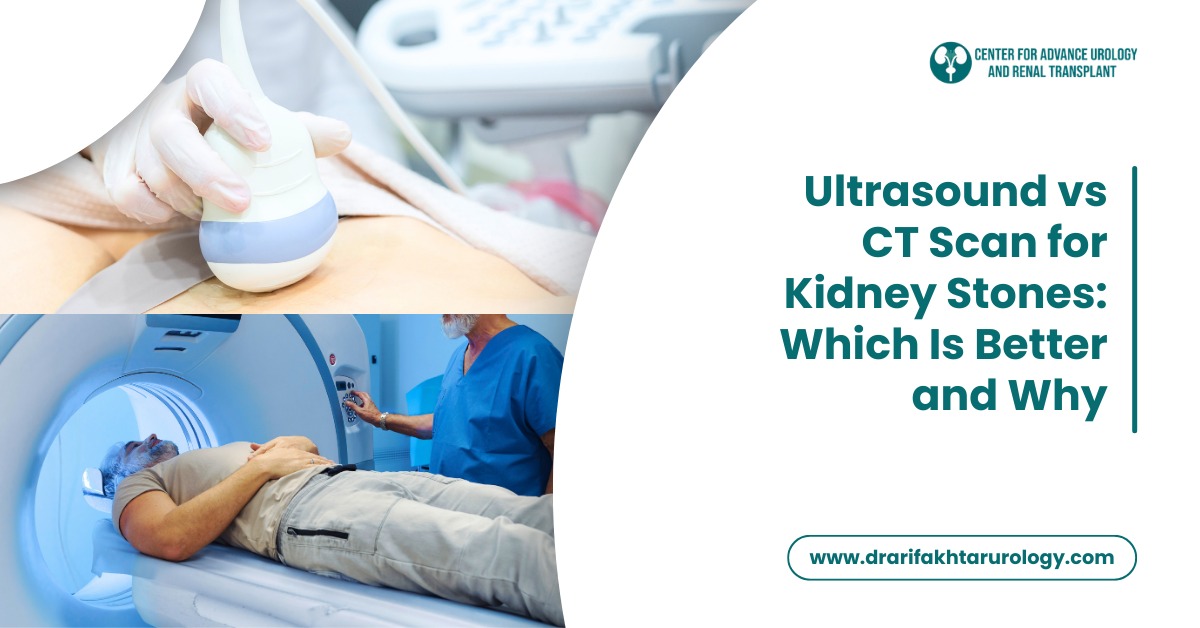
During an ultrasound scan for kidney stones, a small device called a transducer is placed on the skin over the area of the kidneys. The transducer emits sound waves, which bounce off organs and tissues inside the body. A computer then converts these sound waves into images, which can be viewed on a monitor. The ultrasound scan helps doctors identify the size, shape, and location of kidney stones, as well as any potential blockages in the urinary tract.
2. What Is a CT Scan?
A CT scan (computed tomography scan) is a more advanced imaging technique that uses a combination of X-rays and computer technology to create cross-sectional images of the body. It provides detailed images that help doctors identify kidney stones and other abnormalities in the kidneys, bladder, and urinary tract.
2.1 How CT Scan Works
During a CT scan for kidney stones, you will be asked to lie on a table that moves through a large, donut-shaped machine. The machine takes multiple X-ray images from different angles, and the computer assembles them into detailed cross-sectional images of the kidneys and urinary tract. These images help healthcare providers detect even small kidney stones, some of which may not be visible on an ultrasound scan.
3. Key Differences: Ultrasound vs CT Scan for Kidney Stones
While both tests can be used to diagnose kidney stones, they differ in several key aspects. Let’s compare them:
3.1 Accuracy
- CT scan: A CT scan for kidney stones is often more accurate and detailed compared to an ultrasound scan. It can detect even very small stones and is able to show stones that may be missed by ultrasound. It is particularly effective in identifying kidney stones that are not causing symptoms yet but could lead to problems later.
- Ultrasound scan: While the ultrasound scan is very effective at detecting larger kidney stones, it may miss smaller stones, especially those in certain parts of the kidneys. It is also less effective for diagnosing kidney stones that are located in the ureters (the tubes connecting the kidneys to the bladder).
3.2 Radiation Exposure
- CT scan: A CT scan uses X-rays, which involve radiation exposure. While the amount of radiation in a CT scan for kidney stones is relatively low, it is still a concern for people who need frequent imaging or for pregnant women.
- Ultrasound scan: The ultrasound scan does not involve radiation, making it the safer option, especially for individuals who are sensitive to radiation or for pregnant women.
3.3 Cost
- CT scan: CT scans are more expensive compared to ultrasound scans. The cost may vary depending on the location and the medical facility, but a CT scan typically costs more due to the advanced technology and resources required.
- Ultrasound scan: An ultrasound scan is usually more affordable and accessible. It’s a less expensive procedure, which is one of the reasons it is preferred in certain cases, especially for initial screenings or when follow-up imaging is needed.
3.4 Time and Convenience
- CT scan: The CT scan for kidney stones takes only a few minutes, but it typically requires the patient to lie still for a longer period. It may also require the use of a contrast dye, depending on the type of scan, which can cause some discomfort or reactions in sensitive individuals.
- Ultrasound scan: The ultrasound scan is quicker and more comfortable, as it typically only takes about 15 to 30 minutes. There is no need for contrast dye, and the procedure is non-invasive and relatively easy to tolerate.
4. Which Is Better for Kidney Stones?
So, ultrasound vs CT scan—which one is better for diagnosing kidney stones? The answer depends on the situation:
- Ultrasound scan is the preferred choice when you need a quick, non-invasive, and radiation-free diagnostic tool. It’s especially useful for pregnant women, children, or anyone who is sensitive to radiation. It’s also a great option for initial screenings or monitoring known kidney stones over time.
- CT scan is the gold standard for diagnosing kidney stones when a more detailed, accurate image is needed. It is ideal for detecting smaller stones, stones that are difficult to detect by ultrasound, or when other complications are suspected. It is particularly recommended for emergency situations or cases where precise information is necessary for treatment planning.
5. When Should You Get an Ultrasound or CT Scan for Kidney Stones?
If you’re experiencing symptoms such as severe back or side pain, blood in urine, or difficulty urinating, it’s essential to consult a doctor. Your healthcare provider will assess your symptoms and determine whether an ultrasound scan for kidney stones or a CT scan for kidney stones is more appropriate for your case. In general:
- Ultrasound scan is often recommended for routine follow-ups or when kidney stones are suspected but not causing significant symptoms.
- CT scan is typically used when more detailed information is needed, such as in the case of larger or symptomatic stones.
Conclusion
Both the ultrasound scan and CT scan are valuable diagnostic tools for kidney stones, but they each have their own strengths and weaknesses. The choice between the two depends on factors such as the size and location of the stones, the patient’s medical history, and the urgency of the situation. Dr. Arif Akhtar, a leading expert in kidney care and urology, can help guide you through the decision-making process and recommend the most suitable imaging test for your specific needs. Whether you need an ultrasound report or a CT scan, early diagnosis and treatment of kidney stones are crucial for preventing complications and ensuring optimal kidney health.