


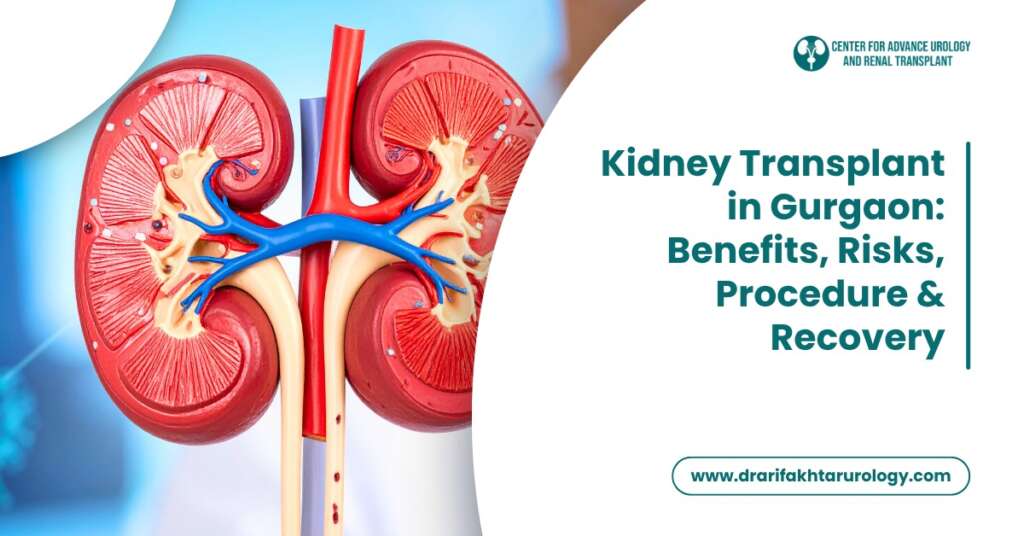
India faces an enormous and growing burden of kidney disease. Approximately 220,000 new patients require renal replacement therapy every year in this country, yet only 7,500 to 8,000 kidney transplants are performed annually, leaving the vast majority of end-stage renal disease patients dependent on dialysis indefinitely. Dialysis is an effective treatment, but it is demanding: three sessions per week, each lasting 3 to 4 hours, with significant dietary and fluid restrictions, accumulating fatigue, and a substantially reduced quality of life compared to normal kidney function.
Kidney transplant offers a fundamentally different clinical outcome. It replaces the function of failed kidneys with a single functioning donor kidney, freeing patients from dialysis, improving long-term survival, and restoring a quality of life that dialysis cannot provide. For appropriate candidates, kidney transplant in Gurgaon is now accessible at Medharbour Multispeciality Hospital, Gurugram, with specialist renal transplant care available to patients across Delhi NCR.
This guide covers who needs a kidney transplant, the clinical comparison with dialysis, the types of transplant available, the surgical procedure, its benefits and risks, recovery expectations, and how to access transplant evaluation in Gurgaon under the care of Dr. Arif Akhtar, Consultant Urologist and Renal Transplant Surgeon, whose MCh subspecialty training is specifically in Urology and Renal Transplantation. For a broader overview of his urological practice,
What is Kidney Transplant and is it Better Than Dialysis?
Kidney transplant is the surgical placement of a healthy kidney from a living or deceased donor into a patient with end-stage renal disease. It is considered the preferred long-term treatment for eligible patients because transplant recipients have a 50% lower mortality risk compared to patients who remain on dialysis, with better quality of life, fewer dietary restrictions, and significantly lower long-term healthcare costs.
Who Needs a Kidney Transplant?
A kidney transplant is indicated for patients with end-stage renal disease (ESRD), defined as chronic kidney disease stage 5 with a glomerular filtration rate (GFR) below 15 ml/min/1.73m2. The GFR is a measure of how well the kidneys filter waste from the blood; at stage 5, kidney function is insufficient to sustain life without renal replacement therapy.
The most common underlying causes of ESRD requiring transplant in India are diabetic nephropathy (kidney damage caused by long-standing diabetes), hypertensive nephrosclerosis (kidney damage from chronic high blood pressure), chronic glomerulonephritis (immune-mediated kidney inflammation), and polycystic kidney disease, a genetic condition in which cysts progressively replace normal kidney tissue. Patients with any of these conditions who progress to stage 5 CKD are candidates for transplant evaluation.
Transplant eligibility requires that the patient is medically fit enough to undergo major surgery, free of active systemic infection, and without active malignancy. A thorough pre-transplant evaluation assesses cardiac function, vascular anatomy, immunological compatibility with the donor, and the absence of conditions that would increase surgical or immunosuppressive risk unacceptably. In India, living donor transplant is significantly more common than deceased donor transplant because cadaveric organ donation rates remain among the lowest in the world at approximately 0.65 donors per million population.
Kidney Transplant vs Dialysis: The Clinical Comparison
The clinical evidence for kidney transplant over long-term dialysis is substantial. Transplant recipients demonstrate a 50% reduction in mortality risk compared to dialysis-dependent patients of similar age and comorbidity profile, with the survival advantage becoming evident within 3 to 6 months of transplant and increasing progressively over time. This improvement in survival is attributable to better cardiovascular outcomes, reduced uraemic toxin exposure, and the metabolic advantages of a functioning kidney over a dialysis membrane.
Quality of life improvements following successful transplant are equally significant. Patients are freed from three weekly dialysis sessions, each requiring 3 to 4 hours of treatment plus travel time, with associated fatigue and post-dialysis recovery. Dietary and fluid restrictions, which are strict and often burdensome on dialysis, are substantially relaxed after transplant. The majority of transplant recipients with good graft function return to employment, travel, and physical activity at levels not possible on dialysis.
From a financial perspective, kidney transplant carries a higher upfront cost than starting dialysis. However, over a 5 to 10-year horizon, transplant is considerably less expensive than indefinite dialysis, which accrues ongoing costs for sessions, consumables, medications, and regular investigations. For younger patients in particular, the long-term financial case for transplant is compelling. It is important to note that not every ESRD patient is a transplant candidate: advanced age with significant comorbidities, active malignancy, severe cardiac disease, and certain immunological conditions may preclude surgery or make the risk-benefit balance unfavourable.
Types of Kidney Transplant Available in Gurgaon
Living Donor Kidney Transplant
Living donor transplant is the most common and clinically preferred type of kidney transplant in India. The donor is typically a family member, though spousal and unrelated living donation is legally permitted in India under the Transplantation of Human Organs and Tissues Act with appropriate authorisation. Living donor transplants offer several clinical advantages over deceased donor transplants: surgery can be planned electively, the kidney is removed and implanted within a short time frame minimising cold ischaemia injury, and outcomes are consistently superior. Donor evaluation involves comprehensive medical, surgical, and psychological assessment to ensure the donor can safely tolerate nephrectomy and live normally with a single kidney.
Deceased Donor Kidney Transplant
Deceased donor transplant uses a kidney retrieved from a brain-dead or donation after cardiac death (DCD) donor. In India, this pathway is dependent on the availability of registered donors and the functioning of the state organ sharing network. Waiting times vary enormously between states: Maharashtra, Tamil Nadu, and Kerala have more developed cadaveric donation programmes, while waiting times in other regions may extend to years. Deceased donor transplant remains a smaller proportion of transplants in India than in Western countries, though awareness of organ donation is gradually improving.
ABO Incompatible Kidney Transplant
An ABO incompatible (ABOi) kidney transplant is performed between a donor and recipient whose blood groups are incompatible under standard transfusion rules. Historically, ABO incompatibility was an absolute contraindication to transplant. Modern desensitisation protocols, involving therapeutic plasma exchange and targeted immunological treatments to reduce anti-blood group antibodies before surgery, have made ABOi transplant feasible with outcomes at experienced centres now comparable to ABO compatible transplants. This approach significantly expands the pool of potential living donors for patients without ABO compatible family members. Dr. Arif Akhtar performs ABO incompatible kidney transplants at Medharbour Multispeciality Hospital, Gurugram.
Laparoscopic Donor Nephrectomy
Laparoscopic donor nephrectomy is the minimally invasive technique for removing the donor kidney through small incisions rather than a large open flank incision. For living donors, this approach results in significantly less post-operative pain, a shorter hospital stay of typically 2 to 3 days, faster return to work and normal activity, and considerably smaller scars. It has become the standard approach at experienced transplant centres and is an important consideration for prospective living donors who may be deterred by the prospect of open surgery. Dr. Arif Akhtar performs laparoscopic donor nephrectomy at Medharbour Multispeciality Hospital, Gurugram, making the procedure less burdensome for donors across Delhi NCR.
The Kidney Transplant Procedure: What Patients and Families Should Know
The transplant process begins well before surgery. Pre-operative evaluation of the recipient includes crossmatch testing, which assesses immunological compatibility between donor and recipient to predict rejection risk, HLA (human leucocyte antigen) typing for immunological matching, cardiac assessment including echocardiography, vascular imaging to plan arterial and venous anastomosis, and comprehensive infection screening to ensure no active infection is present at the time of transplant.
For living donor cases, the donor undergoes laparoscopic nephrectomy under general anaesthesia typically on the same day or the day before the recipient surgery. The donor kidney is prepared on the back table and implanted into the recipient in a separate operating theatre. The recipient operation places the new kidney in the iliac fossa, the lower pelvis, where it is connected to the iliac artery and vein for blood supply and to the bladder for urinary drainage. The native kidneys are left in place in almost all cases unless they are causing specific problems such as recurrent infection, uncontrolled hypertension, or are excessively enlarged as in polycystic kidney disease.
Recipient surgery typically takes 2 to 4 hours. The first and most important post-operative sign is urine output from the transplanted kidney, which indicates immediate graft function. Most well-matched living donor transplants produce urine immediately after blood supply is restored, a moment of considerable clinical significance. Hospital stay for the recipient is typically 7 to 10 days, during which immunosuppression is initiated and adjusted, graft function is monitored through daily creatinine measurements, and the patient is assessed for early complications.
Benefits of Kidney Transplant
The primary benefit of kidney transplant is a significant improvement in life expectancy. Transplant recipients have a 50% lower mortality risk compared to dialysis patients matched for age and disease severity, with the survival advantage continuing to grow over time. The cardiovascular benefits are particularly notable: long-term dialysis accelerates cardiovascular disease through fluid overload, anaemia, and uraemic inflammation, whereas a functioning transplant normalises many of these parameters.
Quality of life improvements are substantial and immediate after successful transplant. Freedom from dialysis sessions allows patients to return to employment, travel, and family life at a level not possible on regular dialysis. Dietary restrictions, which are among the most psychologically burdensome aspects of dialysis, are significantly relaxed when the transplant is functioning well. For children with ESRD, transplant is especially important because it allows normal growth, development, and education that dialysis significantly impairs.
Over a 10 to 15-year period, the economic burden on families is substantially lower with a functioning transplant than with ongoing dialysis. While immunosuppressive medications represent a continuing cost post-transplant, they are considerably less expensive than three weekly dialysis sessions with all associated consumables and monitoring requirements. For families across Gurgaon and Delhi NCR managing the financial and logistical burden of dialysis, kidney transplant represents a genuinely transformative intervention when clinically appropriate.
Risks of Kidney Transplant Surgery
An honest discussion of transplant risks is essential for informed decision-making. Kidney transplant is major surgery and carries the standard surgical risks of significant bleeding, wound infection, and thromboembolic complications. Vascular complications specifically, including thrombosis of the transplant artery or vein, are uncommon but serious and require immediate surgical intervention if they occur.
The most significant transplant-specific risk is graft rejection. Acute rejection, which occurs within weeks to months of transplant, results from the recipient’s immune system recognising the donor kidney as foreign. Modern immunosuppression protocols have substantially reduced acute rejection rates, but it remains a clinically important complication requiring prompt diagnosis and treatment with high-dose corticosteroids or antibody therapies. Chronic rejection, which develops over years and causes gradual decline in graft function, represents the primary reason that transplanted kidneys eventually fail over decades despite ongoing immunosuppression.
Lifelong immunosuppression, which is essential to prevent rejection, carries its own risks. The most clinically significant are increased susceptibility to bacterial, viral, and fungal infections, and a modestly elevated long-term risk of certain malignancies, particularly skin cancers and lymphomas. Primary non-function, where the transplanted kidney fails to function from the outset due to severe preservation injury or vascular complications, is rare but does occur. These risks must be weighed against the well-documented mortality and quality-of-life benefits of transplant, which substantially outweigh them for the large majority of appropriate transplant candidates.
Recovery After Kidney Transplant in Gurgaon
The first 3 months after kidney transplant are the most critical period in terms of rejection risk, infection susceptibility, and immunosuppression adjustment. During this period, patients require frequent outpatient clinic visits, typically weekly initially and then fortnightly, for blood tests monitoring creatinine, drug levels, blood count, and infection markers. Doses of immunosuppressive medications are adjusted based on drug levels and graft function.
Physical recovery progresses steadily for most patients. Light activities are generally resumed within 4 to 6 weeks. Return to sedentary work is typically possible at 6 to 8 weeks, while physically demanding employment requires longer recuperation of 10 to 12 weeks or more. Driving is usually permitted once the patient is comfortable and off strong analgesics, typically at 4 to 6 weeks. Sexual activity can generally be resumed at 6 to 8 weeks with guidance from the transplant team.
Lifelong immunosuppression with medications such as tacrolimus, mycophenolate mofetil, and low-dose prednisolone is the standard maintenance regimen, with doses gradually reduced over the first year as the risk of acute rejection decreases. Living donor transplants have a median graft survival of 15 to 20 years with good compliance and follow-up, while deceased donor transplants have a median graft survival of 10 to 15 years. Long-term graft survival depends significantly on adherence to medication, regular follow-up, blood pressure control, and management of metabolic risk factors. Dr. Arif Akhtar provides structured post-transplant follow-up care for all transplant patients at Medharbour Multispeciality Hospital, Gurugram.
Kidney Transplant Surgeon in Gurgaon: Dr. Arif Akhtar at Medharbour Hospital
Kidney transplantation is among the most technically demanding procedures in urology and nephrology. Outcomes depend significantly on surgical expertise, perioperative management, immunosuppression protocols, and the quality of long-term post-transplant follow-up.
Dr. Arif Akhtar, MBBS, MS, MCh (Urology and Renal Transplant), is a Consultant Urologist and Renal Transplant Surgeon at Medharbour Multispeciality Hospital, Gurugram, with 13+ years of surgical experience. He performs living donor and recipient kidney transplants including laparoscopic donor nephrectomy and ABO incompatible kidney transplantation, and was recognised with the Global Glorious Awards 2022 as Urologist and Kidney Transplant Surgeon of the Year. His MCh subspecialty qualification in Urology and Renal Transplantation reflects specific postgraduate training in the field rather than general surgical experience alone.
Patients and families from Gurgaon, Delhi, Faridabad, and Noida can consult Dr. Arif Akhtar for kidney transplant evaluation and donor workup at Medharbour Multispeciality Hospital, Gurugram.
Frequently Asked Questions
Q1: What is the success rate of kidney transplant in India?
Kidney transplant success rates in India at experienced centres are comparable to international standards. One-year graft survival rates for living donor transplants exceed 95% at established programmes. Long-term outcomes depend on immunosuppression adherence, regular follow-up, and management of comorbidities such as diabetes and hypertension that can damage the transplanted kidney over time.
Q2: How long does a transplanted kidney last?
Living donor kidney transplants have a median graft survival of 15 to 20 years, meaning half of transplanted kidneys continue functioning at 15 to 20 years post-surgery. Deceased donor transplants have a median graft survival of 10 to 15 years. With excellent medication adherence and regular monitoring, many transplants function significantly longer than the median.
Q3: Who can be a kidney donor in India?
Under the Transplantation of Human Organs and Tissues Act, living donors in India can be close relatives (parents, siblings, children, spouse) or unrelated individuals with appropriate authorisation from the state authorisation committee. Donors must be over 18, in good general health with two functioning kidneys, free of diabetes, hypertension, or kidney disease, and must undergo comprehensive medical and psychological evaluation before donation is approved.
Q4: What is ABO incompatible kidney transplant?
ABO incompatible kidney transplant is a procedure that allows transplantation between donors and recipients with incompatible blood groups, which would normally prevent transplant. A desensitisation protocol using plasma exchange and immunological treatments reduces the recipient’s anti-blood group antibodies before surgery. Outcomes at experienced centres are now comparable to blood group compatible transplants, significantly expanding donor options for patients without compatible family members.
Q5: How long is recovery after kidney transplant surgery?
Hospital stay for kidney transplant recipients is typically 7 to 10 days. Return to light activities is possible at 4 to 6 weeks and return to sedentary work at 6 to 8 weeks. The first 3 months require frequent outpatient monitoring. Physically demanding work may require 3 months or longer before return. Lifelong follow-up and immunosuppressive medication are required indefinitely.
Q6: Is kidney transplant better than dialysis?
For eligible patients, kidney transplant is the preferred treatment for end-stage renal disease. Transplant recipients have a 50% lower mortality risk compared to dialysis patients, significantly better quality of life, freedom from dialysis sessions, fewer dietary restrictions, and lower long-term healthcare costs. However, not all ESRD patients are transplant candidates, and dialysis remains the appropriate treatment for those who are not eligible or suitable.
Q7: What is the cost of kidney transplant in Gurgaon?
Kidney transplant costs in Gurgaon vary depending on the type of transplant, hospital facilities, duration of stay, and post-operative requirements. Living donor transplants are generally less expensive than protocols requiring desensitisation for ABO incompatible cases. Patients should contact Medharbour Multispeciality Hospital, Gurugram directly at 085273 60757 for a detailed cost estimate based on individual clinical circumstances.
Disclaimer: This blog is for informational and educational purposes only. It does not constitute personalised medical advice. Please consult Dr. Arif Akhtar or a qualified transplant surgeon for individual assessment, donor evaluation, and treatment planning.