Types of Kidney Stones and Their Treatment Options
Introduction
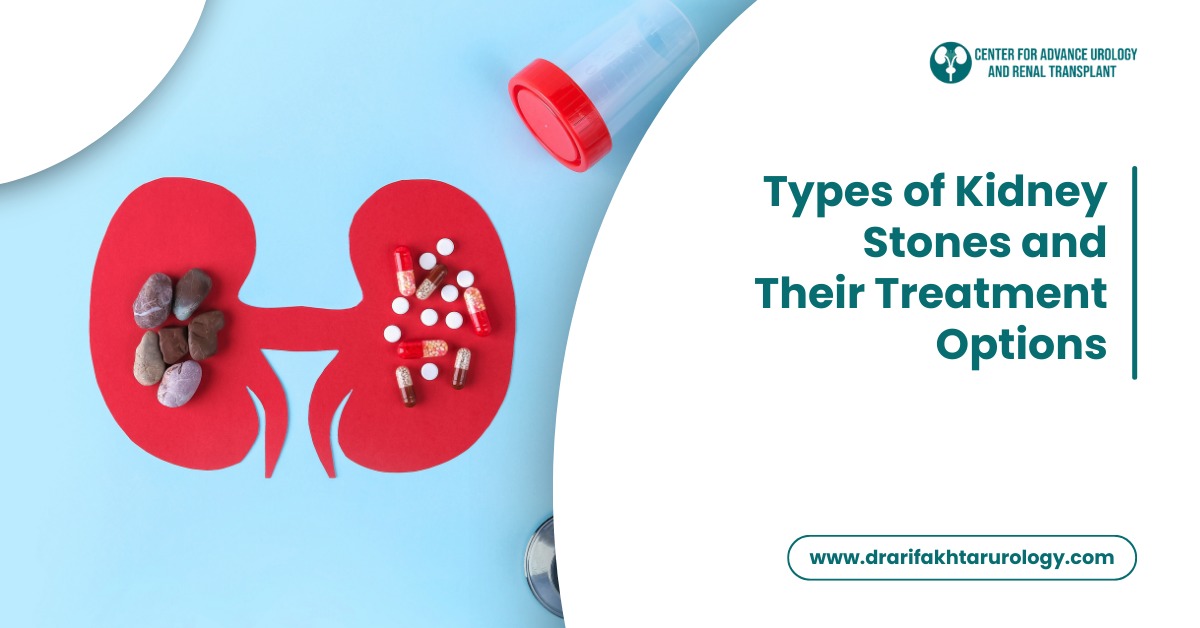
Kidney stones are hard deposits of minerals and salts that form inside the kidneys. These stones can vary in size and type, and their formation is often influenced by diet, hydration levels, and underlying health conditions. While some kidney stones may pass on their own, others require medical treatment to prevent complications. In this blog, we will explore the different types of kidney stones, their causes, and the treatment options available for each type to help you manage this common yet painful condition.
Types of Kidney Stones and Their Treatment Options
Kidney stones can form in various ways, and understanding the types of kidney stones is essential in determining the most effective treatment. The treatment for kidney stones depends on the size, composition, and location of the stone, as well as the patient’s overall health. Let’s take a closer look at the different types of kidney stones and the treatment options available.
1. Calcium Stones (Calcium Oxalate and Calcium Phosphate)
1.1 What are Calcium Stones?
The most common type of kidney stone, calcium stones are formed when calcium combines with either oxalate or phosphate in the urine. Calcium oxalate stones are the most prevalent, while calcium phosphate stones tend to form in alkaline urine.
Causes:
- High levels of calcium in the urine
- High oxalate levels (found in foods like spinach, chocolate, and nuts)
- Dehydration or low fluid intake
- Hypercalciuria (excessive calcium excretion)
Treatment Options:
- Increased fluid intake: Drinking more water helps to dilute the urine and prevent stone formation.
- Medications: Diuretics or thiazide-based medications can help reduce calcium levels in the urine.
- Dietary changes: Reducing foods rich in oxalate and moderating calcium intake may help prevent stones.
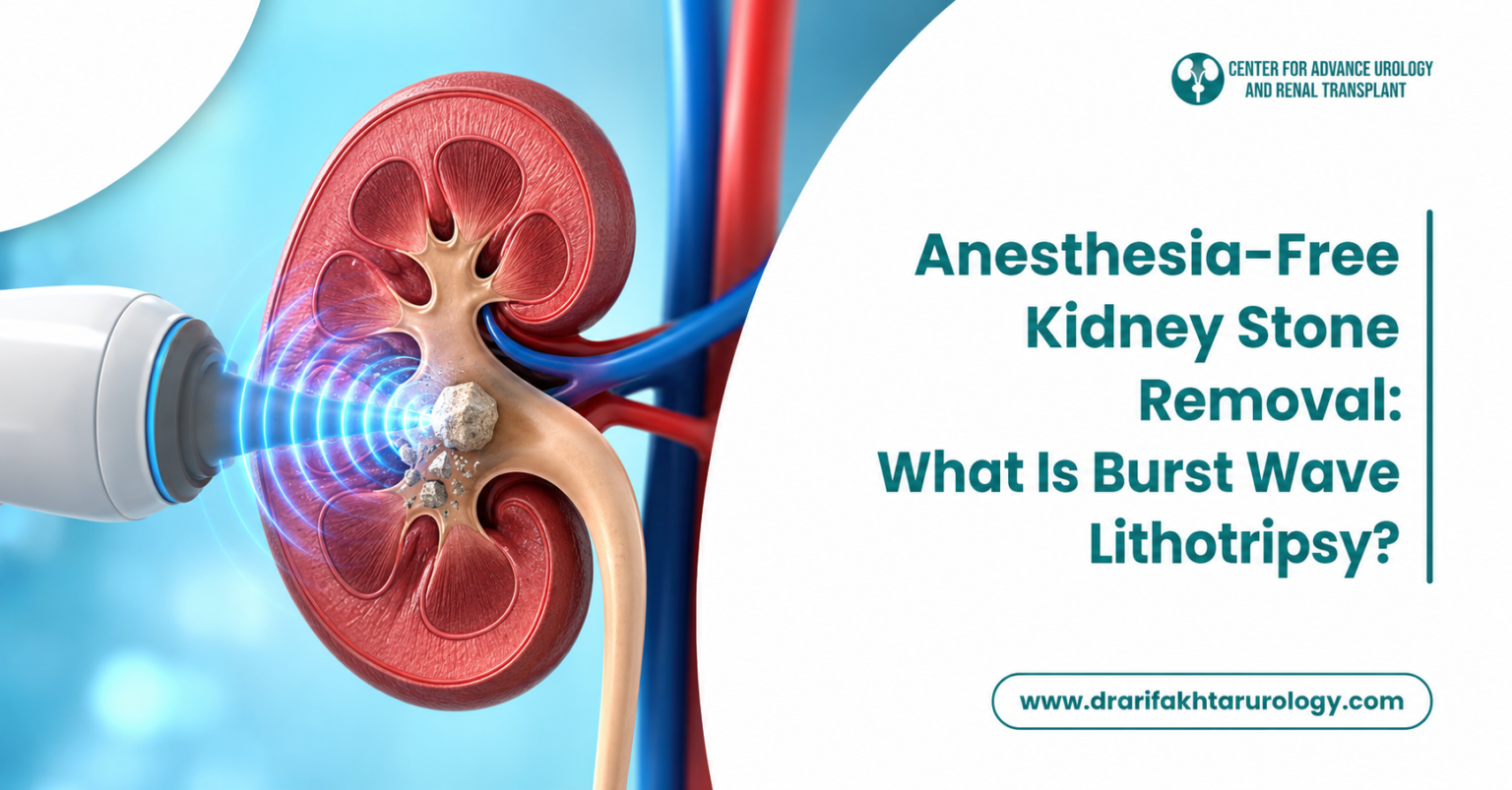
- Shock wave therapy (ESWL): For larger stones, extracorporeal shock wave lithotripsy (ESWL) can be used to break the stones into smaller fragments for easier passage.
2. Uric Acid Stones
2.1 What are Uric Acid Stones?
Uric acid stones are less common than calcium stones but can occur when there is too much uric acid in the urine. These stones are more likely to form in people who suffer from conditions such as gout or those who have a high-protein diet.
Causes:
- High-protein diet: Consuming too much red meat or shellfish can increase uric acid levels.
- Dehydration: Not drinking enough water can lead to concentrated urine, promoting stone formation.
- Gout: A metabolic condition that leads to high uric acid levels in the blood and urine.
Treatment Options:
- Medications: Allopurinol, a medication used to lower uric acid levels in the blood, can help prevent the formation of uric acid stones.
- Alkalinising agents: Potassium citrate can be prescribed to make the urine less acidic, which can help prevent the formation of these stones.
- Increased fluid intake: Staying hydrated is crucial to prevent the urine from becoming too concentrated.
- ESWL: For larger stones, shock wave therapy can break the stone into smaller pieces.
3. Struvite Stones
3.1 What are Struvite Stones?
Struvite stones are often the result of a urinary tract infection (UTI). These stones form when bacteria in the urinary tract produce ammonia, which reacts with magnesium and phosphate in the urine to form struvite. Struvite stones tend to grow quickly and may cause urinary tract infections as they expand.
Causes:
- Urinary tract infections (UTIs): Particularly those caused by certain bacteria that produce urease.
- Chronic urinary infections: Recurrent infections can increase the risk of struvite stones.
Treatment Options:
- Antibiotics: To treat or prevent UTIs caused by the bacteria associated with struvite stones.
- Surgical removal: In many cases, struvite stones require surgery because they can become large and form staghorn stones (large, branching stones that fill the kidney). Procedures such as PCNL (Percutaneous Nephrolithotomy) may be used to remove the stones.
- ESWL: In some cases, shock wave therapy may be used, but large stones may require surgical intervention.
4. Cystine Stones
4.1 What are Cystine Stones?
Cystine stones are rare and form in people with a genetic disorder called cystinuria. In cystinuria, the kidneys excrete high amounts of cystine, an amino acid that can crystallise and form stones in the urine.
Causes:
- Cystinuria: A hereditary condition that causes excessive cystine to be excreted in the urine.
- Dehydration: Lack of adequate water intake increases the concentration of cystine in the urine, leading to stone formation.
Treatment Options:
- Medications: Potassium citrate and other drugs can help reduce cystine levels in the urine and prevent stone formation.
- Increased fluid intake: Drinking a lot of water to keep the urine diluted and prevent cystine from crystallising.
- ESWL: Shock wave therapy can break down smaller cystine stones, although large stones may require surgery.
- Surgical removal: In cases of larger or recurrent stones, surgical intervention may be necessary, especially when the stones become too large or obstructive.
5. Preventing Kidney Stones
While treatment options vary depending on the type of kidney stone, there are general preventive measures that can help reduce the risk of forming new stones.
5.1 Hydration
- Drink plenty of water throughout the day to keep the urine diluted. This helps prevent the concentration of minerals and salts that contribute to stone formation.
5.2 Dietary Adjustments
- Reduce salt and oxalate-rich foods (like spinach, nuts, and chocolate) to prevent stones.
- For uric acid stones, reducing animal protein intake may help lower uric acid levels.
5.3 Medications
- Depending on the type of stone, medications may be prescribed to reduce the risk of formation. These could include thiazide diuretics, potassium citrate, or allopurinol.
Conclusion
Kidney stones are a painful condition, but with proper treatment and lifestyle changes, their impact can be minimised. Understanding the types of kidney stones and their treatment options is crucial in managing this condition effectively. If you are dealing with kidney stones, Dr. Arif Akhtar, a renowned kidney and urology specialist, offers advanced treatments tailored to your needs. Whether it’s through dietary changes, medication, or minimally invasive procedures like ESWL and PCNL, Dr. Arif Akhtar provides expert care to help you recover quickly and prevent future stones from forming.